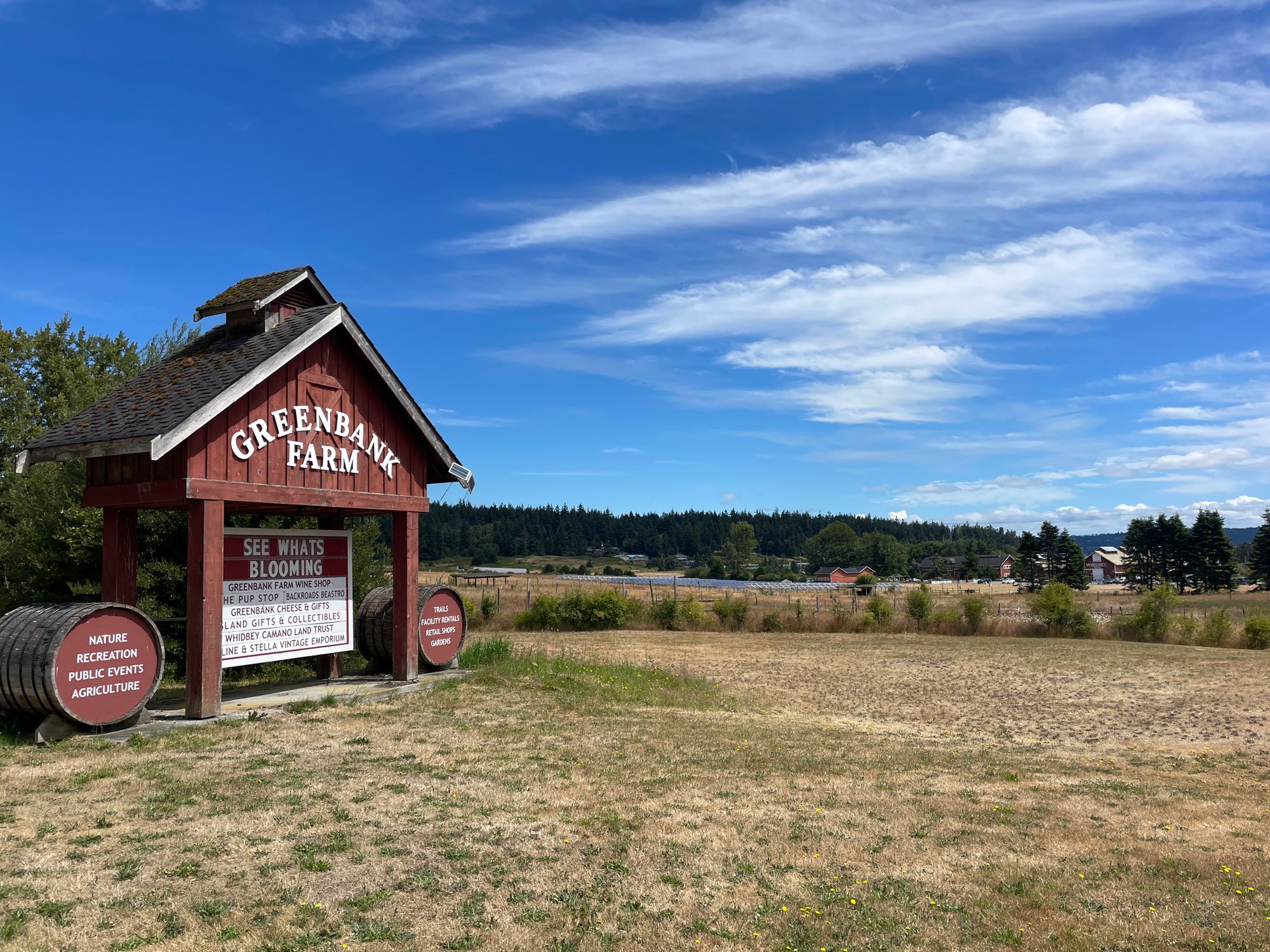
If you're looking at Greenbank WA homes for sale, you're exploring one of the most peaceful and scenic communities on Whidbey Island. Known for its open farmland, forested landscapes, waterfront views, and relaxed island lifestyle, Greenbank attracts buyers seeking a quieter alternative to larger Washington towns. Whether you're searching for a waterfront retreat, a charming country home, or acreage with room to grow, the local real estate market offers a mix of unique properties. This guide walks through current pricing, neighborhoods, schools, market trends, and the practical details buyers actually ask about before making an offer, so you can decide whether Greenbank is the right place to call home.
Quick Facts: Greenbank WA Real Estate
Typical home value in Greenbank was $760,229 in September 2026, according to Zillow.
In the Greenbank ZIP code (98253), the median list price of newly listed single-family homes was $790,870 for July to September 2026, according to Redfin, and the median sale price per square foot for single-family homes was $526 for July to September 2026.
Single-family homes in the Greenbank ZIP code (98253) spent a median of 18 days on the market for July to September 2026, according to Redfin.
Property tax bills in Greenbank follow purchase price and assessed value, so larger homes, bigger lots, and higher prices bring higher taxes, rather than anything specific to Greenbank.
Students in the area attend South Whidbey School District 206.
What Makes Greenbank, WA Homes Different
Greenbank sits roughly in the middle of Whidbey Island, tucked between Coupeville to the north and Freeland and Langley to the south. It's less commercial than either neighbor, which is exactly the draw for a lot of buyers. Greenbank Farm anchors the community, a former Loganberry farm turned public gathering spot with a wine shop, a bakery, and walking trails that loop out toward Crockett Lake and views of Saratoga Passage. Greenbank Farm also has one of the largest off-leash dog areas on Whidbey Island.
Homes here range from small, low-maintenance cottages near Greenbank Farm to larger acreage properties with barns, orchards, and long private driveways. Waterfront and view properties along Admiralty Bay and Saratoga Passage carry a real premium, while inland parcels tend to be more affordable and often come with more land.
Greenbank WA Real Estate Listings: Current Market Snapshot
Pricing in Greenbank swings more than you'd see in a typical suburban market, mostly because inventory is thin and the mix of homes varies so much. Recent listings have ranged from a $399,000 fixer on Sea Eagle Lane up past $1.7 million for waterfront homes on Shorewood Avenue, so median numbers only tell part of the story.
That said, the typical home value in Greenbank is around $701,540, and Zillow's data shows values climbing about 5% to 6% over the last twelve months, in line with a more stabilized 2026 market. Other sources tracking active listings put the recent median list price closer to $704,000, with roughly $473 per square foot as a rough benchmark. Homes have been sitting on the market for a median of about 53 days, which is fairly normal for a rural island market where buyers take their time.
Because Greenbank is a small area with limited turnover, inventory can shift quickly. A buyer's agent who checks listings daily, rather than weekly, makes a real difference here.
Neighborhoods and Streets Worth Knowing
Greenbank doesn't have formal subdivisions in the way a suburban town does, but certain roads and pockets come up again and again in conversations with buyers.
Marine View Drive runs along the water and includes some of the area's most desirable homes, many with direct Saratoga Passage views.
North Bluff Road and South Bluff Road sit above the water on higher ground, offering views without the flood exposure of beachfront lots.
Honeymoon Bay Road and Smugglers Cove Road lead toward smaller waterfront pockets with a more secluded feel.
Christenson Road and the area around Wonn Road tend to have larger acreage parcels suited to hobby farms or horses.
Schools, Property Taxes, and Everyday Costs
Families moving to Greenbank fall within South Whidbey School District 206, which serves the southern half of the island. It's worth checking current school ratings directly, since boundaries and ratings can shift year to year, but the district has a reputation locally for smaller class sizes and a close-knit community feel.
Property taxes in Greenbank follow purchase price, so larger homes, bigger lots, and higher prices come with higher tax bills, as they do anywhere on the island. The median tax bill here runs around $5,069 a year, above the Island County median of roughly $3,999, a gap that reflects the mix of homes and prices in Greenbank rather than anything specific to the area. Rates are tied to assessed value rather than a flat percentage, so a $700,000 home and a $1.5 million home won't scale the same way. Buyers should ask their agent or a title company for an estimate specific to the parcel they're considering rather than relying on countywide averages.
HOA fees are uncommon in Greenbank outside of a handful of shared-road or shared-well agreements, but those arrangements are worth reading closely before closing, since maintenance costs get split among neighbors.
Getting Around: Ferries, Commutes, and Climate Notes
Greenbank sits close to Highway 525, the main artery connecting the island, which makes it a reasonably central base whether you're headed north toward Oak Harbor or south toward the Clinton ferry to Mukilteo. That ferry commute runs about 20 minutes on the water, plus wait times that can stretch longer during summer weekends.
Because much of Greenbank sits above the water on bluffs, flood zone exposure is generally limited compared to low-lying beachfront towns elsewhere on the island. Waterfront and near-waterfront buyers should still confirm flood zone status and insurance costs before writing an offer, since bluff erosion and shoreline setbacks can affect both insurability and future building plans.
Tips for Buying a House in Greenbank
Rural island markets reward buyers who do their homework early. A few things worth doing before you start touring:
Get pre-approved with a lender familiar with well and septic properties, since many Greenbank homes aren't on municipal water or sewer.
Ask for septic and well inspection reports as part of your offer, not as an afterthought.
If you're considering acreage, check zoning and any agricultural or forestry designations that could affect what you're allowed to build later.
Working with an agent who knows the specific roads and quirks of Greenbank, rather than a generalist covering the whole island, tends to save buyers from surprises after closing.
Greenbank rewards buyers who value quiet over convenience and are willing to trade a longer errand run for water views and open space. Whether you land on a bluff-top home with a view of Saratoga Passage or a few acres tucked back near Greenbank Farm, the area offers a version of Whidbey Island living that's harder to find in the busier towns to the north and south. Don Jaques at Whidbey Dream Homes works with buyers across Greenbank and the surrounding island regularly and can walk through current listings, pricing, and specific streets in more detail.
FAQ: Greenbank WA Homes for Sale
What is the median home price in Greenbank WA?
The typical home value in Greenbank was $760,229 in September 2026, according to Zillow. The median list price of newly listed single-family homes in the Greenbank ZIP code (98253) was $790,870 for July to September 2026, according to Redfin. Pricing varies widely depending on whether a home is waterfront, view, or inland acreage.
How long do homes stay on the market in Greenbank?
Homes in Greenbank have recently spent a median of about 53 days on the market before going pending. Well-priced homes in good condition often move faster, especially during spring and summer.
Are Greenbank homes on city water and sewer?
Most Greenbank properties rely on private wells and septic systems rather than municipal utilities. Buyers should budget for well and septic inspections as part of due diligence.
What school district serves Greenbank WA?
Greenbank falls within South Whidbey School District 206. Families should confirm current school assignments and ratings directly with the district, since boundaries can change.
Are property taxes high in Greenbank compared to the rest of Island County?
Greenbank property taxes are not higher because of anything about the area itself; they follow purchase price, so larger homes, bigger lots, and higher prices bring higher tax bills anywhere on the island. Greenbank's median property tax bill of around $5,069 a year sits above the Island County median of about $3,999 because of the mix of homes and prices here, not because of a Greenbank-specific effect. Taxes are based on assessed value, so costs vary significantly by property.