Population (City)
~1,150 (US Census, ACS 2024)
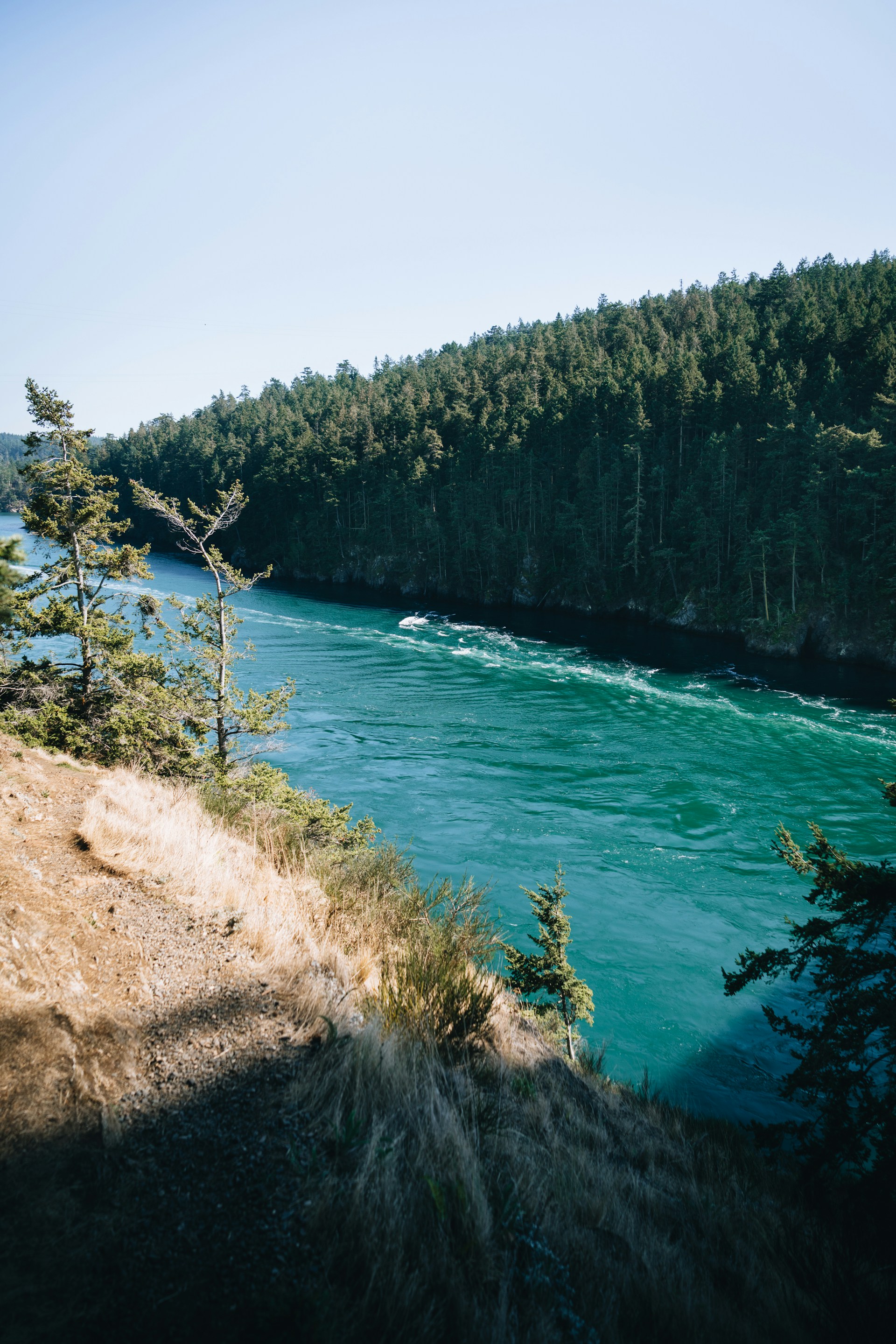
Walkable Arts Village on Saratoga Passage | South Whidbey Island, Washington
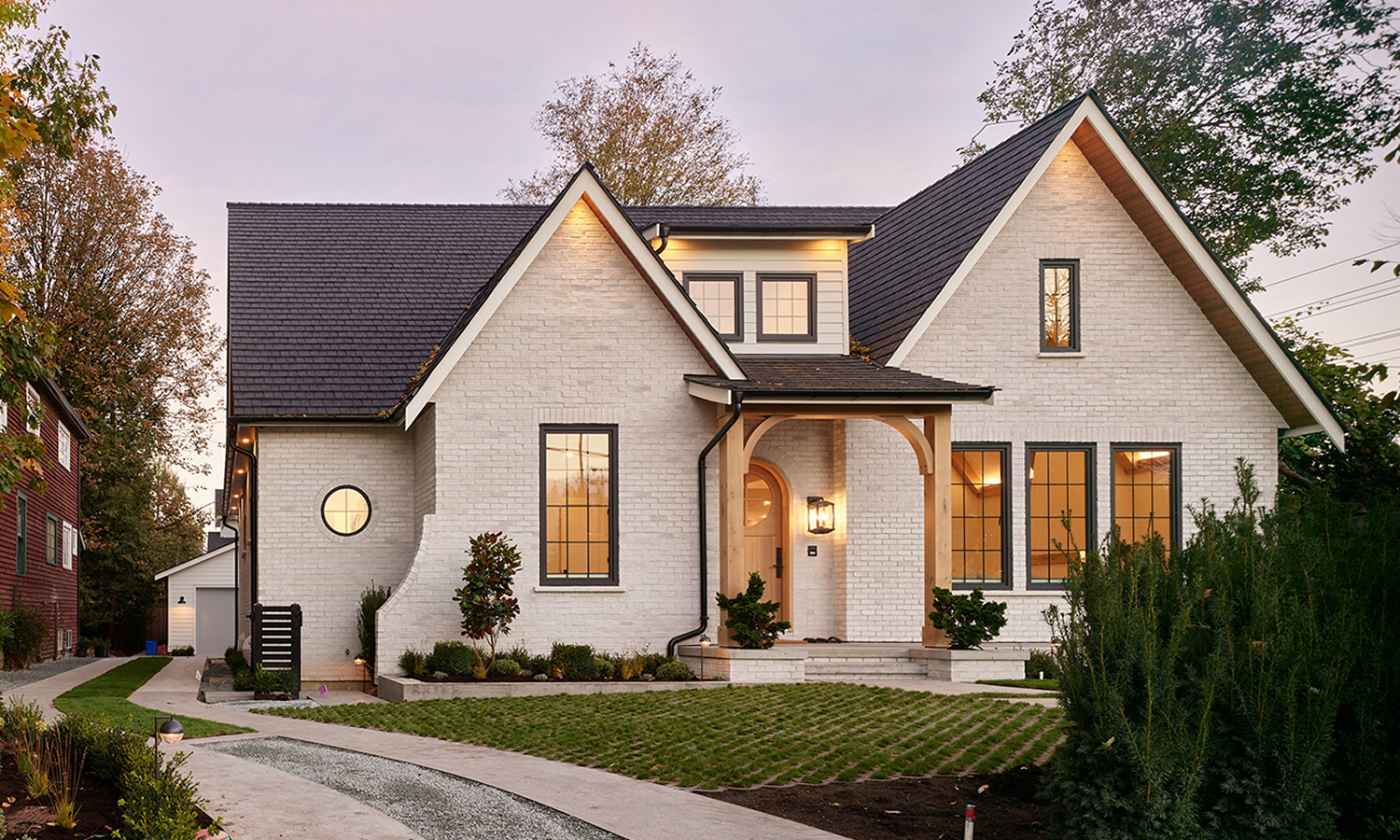
Langley, Washington is the cultural and arts heart of South Whidbey Island, the only incorporated city on the south end of the island, and one of the most distinctive small-town real estate markets in the Pacific Northwest. For buyers searching for Langley homes for sale, the community offers a quality of place that few towns of any size can match: a walkable historic First Street perched above Saratoga Passage, a year-round arts scene anchored by the Whidbey Island Center for the Arts, gallery storefronts that have drawn collectors for decades, and waterfront homes on a bluff where you can watch gray whales pass within view of your front window.
The town sits on a bluff above Saratoga Passage, the protected stretch of water between Whidbey Island and Camano Island. The view from First Street looks east across the water to Camano and then beyond to the snow-capped Cascade Mountains, and the bluff itself has become one of the most recognized whale-watching vantage points on the West Coast. The Whale Bell at the Boy and Dog statue rings when gray whales are spotted from shore each spring, a tradition that captures the connection between Langley residents and the natural environment that surrounds them. The Clinton ferry terminal is approximately seven miles south, putting the Mukilteo crossing and the Seattle metro within easy reach.
Langley's real estate market is shaped by limited inventory, sustained demand from arts-oriented buyers and Seattle metro retirees, and a buyer pool that places a premium on village walkability and view-corridor properties. The typical home value sits in the high $700,000s, with significant variation by location and property type. Cottages, bungalows, and historic homes within walking distance of First Street generally range from the high $500,000s to the low $900,000s, with restored historic and view properties reaching higher. Single-family homes on standard lots in established neighborhoods just outside the village typically range from the high $500,000s to the high $800,000s. Saratoga Passage waterfront and bluff homes can range from $1.1 million to over $3 million depending on view orientation, beach access, and lot characteristics. Sandy Hook, the gated peninsula community south of town, includes some of the most coveted waterfront on Whidbey Island.
Langley is served by the South Whidbey School District, with all three of the district's schools located in or immediately adjacent to the city. The district is recognized for its strong arts emphasis, outdoor learning programs, and Running Start partnership that allows juniors and seniors to earn college credit. Healthcare needs are supported by clinics in Langley and Freeland, with the WhidbeyHealth main hospital in Coupeville about 30 minutes north. As a Whidbey Island specialist with more than 20 years of local experience and over 150 closed transactions, Don Jaques can help you find the right home in Langley whether you are drawn by the village character, the waterfront, or the arts community.
Langley, Washington is the cultural and arts heart of South Whidbey Island, the only incorporated city on the south end of the island, and one of the most distinctive small-town real estate markets in the Pacific Northwest. For buyers searching for Langley homes for sale, the community offers a quality of place that few towns of any size can match: a walkable historic First Street perched above Saratoga Passage, a year-round arts scene anchored by the Whidbey Island Center for the Arts, gallery storefronts that have drawn collectors for decades, and waterfront homes on a bluff where you can watch gray whales pass within view of your front window.
The town sits on a bluff above Saratoga Passage, the protected stretch of water between Whidbey Island and Camano Island. The view from First Street looks east across the water to Camano and then beyond to the snow-capped Cascade Mountains, and the bluff itself has become one of the most recognized whale-watching vantage points on the West Coast. The Whale Bell at the Boy and Dog statue rings when gray whales are spotted from shore each spring, a tradition that captures the connection between Langley residents and the natural environment that surrounds them. The Clinton ferry terminal is approximately seven miles south, putting the Mukilteo crossing and the Seattle metro within easy reach.
Langley's real estate market is shaped by limited inventory, sustained demand from arts-oriented buyers and Seattle metro retirees, and a buyer pool that places a premium on village walkability and view-corridor properties. The typical home value sits in the high $700,000s, with significant variation by location and property type. Cottages, bungalows, and historic homes within walking distance of First Street generally range from the high $500,000s to the low $900,000s, with restored historic and view properties reaching higher. Single-family homes on standard lots in established neighborhoods just outside the village typically range from the high $500,000s to the high $800,000s. Saratoga Passage waterfront and bluff homes can range from $1.1 million to over $3 million depending on view orientation, beach access, and lot characteristics. Sandy Hook, the gated peninsula community south of town, includes some of the most coveted waterfront on Whidbey Island.
Langley is served by the South Whidbey School District, with all three of the district's schools located in or immediately adjacent to the city. The district is recognized for its strong arts emphasis, outdoor learning programs, and Running Start partnership that allows juniors and seniors to earn college credit. Healthcare needs are supported by clinics in Langley and Freeland, with the WhidbeyHealth main hospital in Coupeville about 30 minutes north. As a Whidbey Island specialist with more than 20 years of local experience and over 150 closed transactions, Don Jaques can help you find the right home in Langley whether you are drawn by the village character, the waterfront, or the arts community.
Langley is the only true walkable village on Whidbey Island, with First Street and Second Street forming a compact historic core where galleries, restaurants, coffee shops, the Clyde Theatre, the public library, and the bluff-top park are all within a few blocks of each other. For homeowners within or just outside the village, daily life can run on foot in a way that simply is not possible elsewhere on the island.
Langley's bluff-top park is one of the most reliable land-based whale-watching spots in the Pacific Northwest. Gray whales pass through Saratoga Passage each spring on their migration north, often within easy view of First Street. The Whale Bell at the Boy and Dog statue rings when whales are spotted from shore. Orcas pass through periodically, and harbor seals and porpoises are everyday sights from the bluff.
Langley is home to the Whidbey Island Center for the Arts (WICA), a year-round venue hosting theater, music, dance, and film. The historic Clyde Theatre on First Street is one of the few remaining single-screen community cinemas in the region. Galleries including Museo, Brackenwood Gallery, Rob Schouten Gallery, and the Whidbey Art Gallery cooperative anchor a gallery scene that draws collectors from across the Pacific Northwest.
Langley's restaurant scene is unusually deep for a town of its size. The Inn at Langley anchors the fine-dining experience with a multi-course tasting menu and a Forbes Travel Guide reputation. Prima Bistro brings classic French bistro cooking to First Street. Café Langley has been a Mediterranean fixture for decades. The result is a per-capita dining density that stands out across South Whidbey.
Langley's calendar includes DjangoFest Northwest in September (one of the largest gypsy jazz festivals in the world), the Choochokam Arts Festival in July, Welcome the Whales Day in April, and Langley Mystery Weekend in February or March. The village's small scale means the festivals genuinely transform First Street rather than getting lost in a larger downtown.
Langley sits on the bluff above Saratoga Passage with sweeping views toward Camano Island and the Cascades. The Clinton ferry terminal is approximately seven miles south, about a 12-minute drive on most days, putting the Mukilteo crossing and the Seattle metro within reasonable reach. For arts-oriented buyers maintaining mainland ties, Langley offers one of the most balanced compromises on the south end of the island.

Langley is the only true walkable village on Whidbey Island, with First Street and Second Street forming a compact historic core where galleries, restaurants, coffee shops, the Clyde Theatre, the public library, and the bluff-top park are all within a few blocks of each other. For homeowners within or just outside the village, daily life can run on foot in a way that simply is not possible elsewhere on the island.

Langley's bluff-top park is one of the most reliable land-based whale-watching spots in the Pacific Northwest. Gray whales pass through Saratoga Passage each spring on their migration north, often within easy view of First Street. The Whale Bell at the Boy and Dog statue rings when whales are spotted from shore. Orcas pass through periodically, and harbor seals and porpoises are everyday sights from the bluff.

Langley is home to the Whidbey Island Center for the Arts (WICA), a year-round venue hosting theater, music, dance, and film. The historic Clyde Theatre on First Street is one of the few remaining single-screen community cinemas in the region. Galleries including Museo, Brackenwood Gallery, Rob Schouten Gallery, and the Whidbey Art Gallery cooperative anchor a gallery scene that draws collectors from across the Pacific Northwest.

Langley's restaurant scene is unusually deep for a town of its size. The Inn at Langley anchors the fine-dining experience with a multi-course tasting menu and a Forbes Travel Guide reputation. Prima Bistro brings classic French bistro cooking to First Street. Café Langley has been a Mediterranean fixture for decades. The result is a per-capita dining density that stands out across South Whidbey.

Langley's calendar includes DjangoFest Northwest in September (one of the largest gypsy jazz festivals in the world), the Choochokam Arts Festival in July, Welcome the Whales Day in April, and Langley Mystery Weekend in February or March. The village's small scale means the festivals genuinely transform First Street rather than getting lost in a larger downtown.

Langley sits on the bluff above Saratoga Passage with sweeping views toward Camano Island and the Cascades. The Clinton ferry terminal is approximately seven miles south, about a 12-minute drive on most days, putting the Mukilteo crossing and the Seattle metro within reasonable reach. For arts-oriented buyers maintaining mainland ties, Langley offers one of the most balanced compromises on the south end of the island.
Langley is small in footprint but contains several distinct sub-areas, each with its own character, price range, and appeal. From the walkable village core to private waterfront enclaves to rural acreage just outside the city limits, understanding the geography is essential to finding a Langley home that matches the way you want to live.
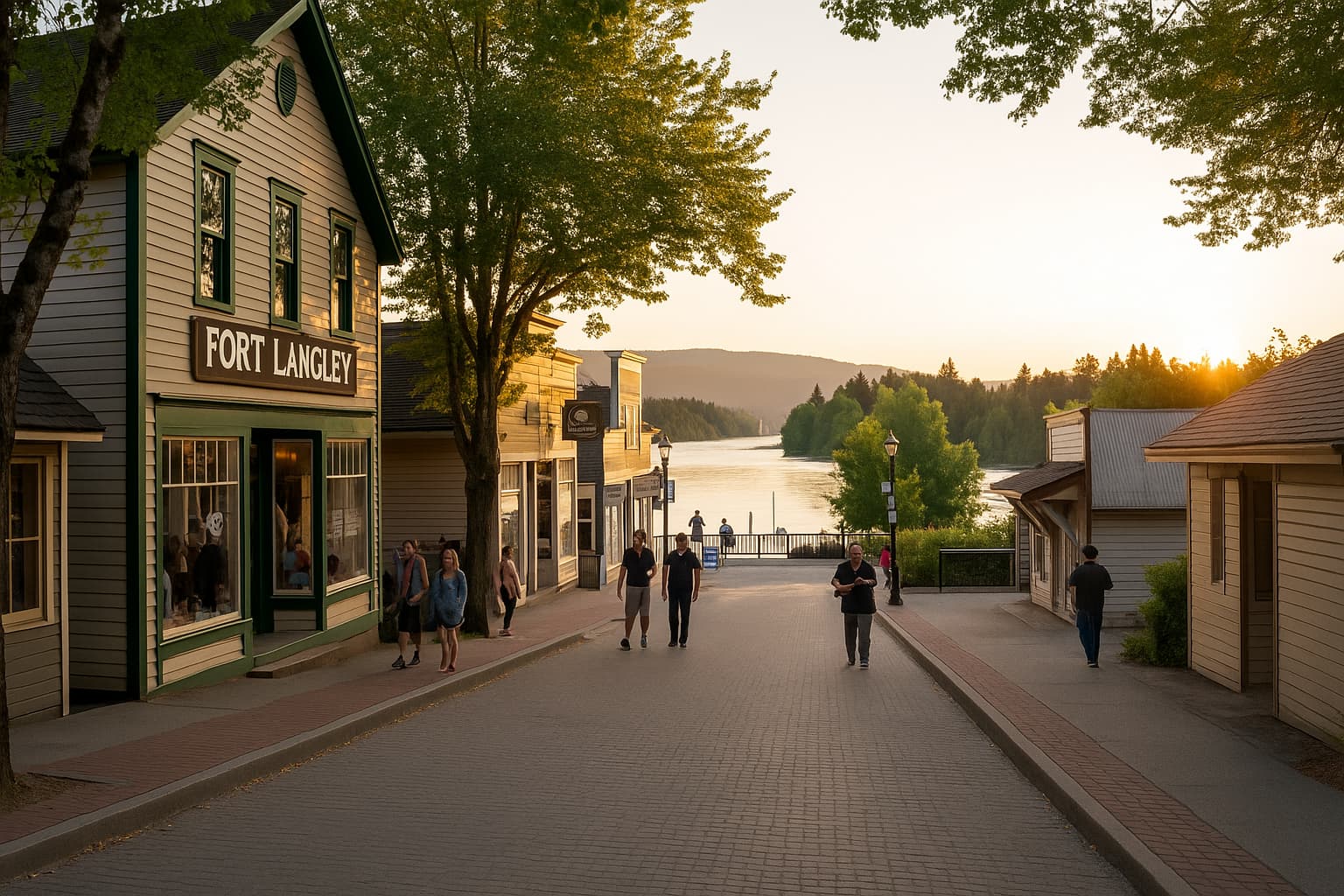
The historic core of Langley surrounds First Street and Second Street, a walkable village where the bluff-top park, galleries, restaurants, the Clyde Theatre, and the library are all within a few blocks of each other. Homes in this area include early-20th-century cottages, restored craftsman bungalows, sea captain's homes, and a small inventory of in-village condos and townhomes. Lots are generally compact, and the village character is the defining feature. Pricing in the downtown Langley village typically ranges from the high $500,000s for cottages and condos to the low $900,000s for restored historic homes with view corridors, with view properties reaching higher. The walkability is genuinely rare on Whidbey Island, and buyers who place a premium on being able to live without the car are willing to pay for the privilege. For retirees, downsizers, and arts-oriented buyers, the village core is one of the most distinctive options on the entire island.
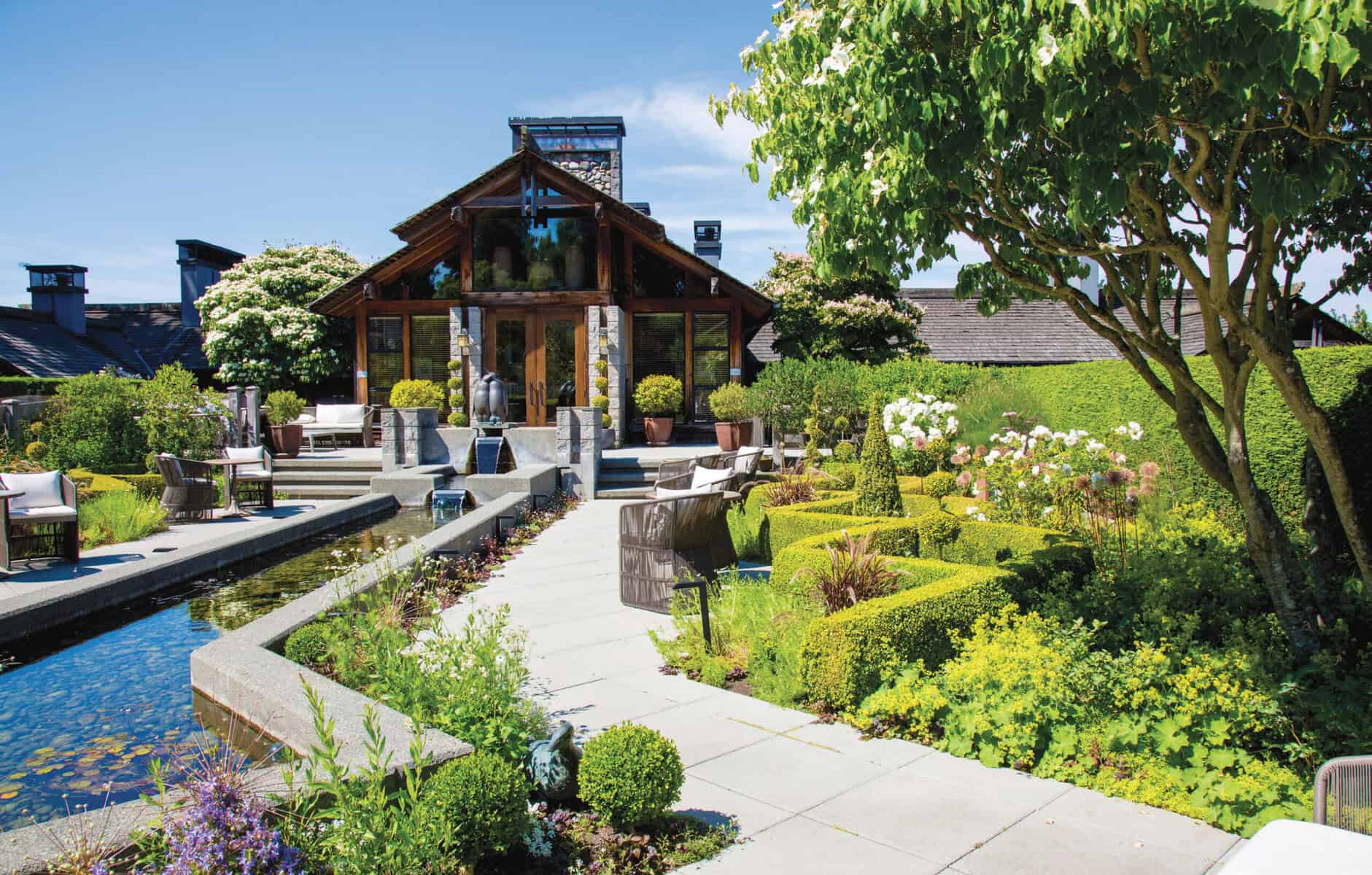
The Saratoga Passage shoreline north and south of Langley village offers some of the most distinctive waterfront on Whidbey Island, with bluff-top homes oriented toward sweeping views of Camano Island and the Cascade Mountains beyond. Homes along the bluff include classic mid-century waterfront residences, contemporary custom builds designed around the view, and a handful of restored historic homes. Beach access varies by property, with some homes featuring private trails to the shoreline and others sharing community beach easements. Pricing for Saratoga Passage bluff and waterfront homes generally ranges from $1.1 million for view homes set back from the immediate bluff to over $3 million for premium bluff-top properties with private beach access. The eastern exposure brings spectacular sunrise views over the Cascades and consistent whale-watching from spring through early summer. For buyers seeking dramatic Pacific Northwest waterfront with sheltered, protected water rather than open ocean, the Langley bluff is one of the strongest options on the island.
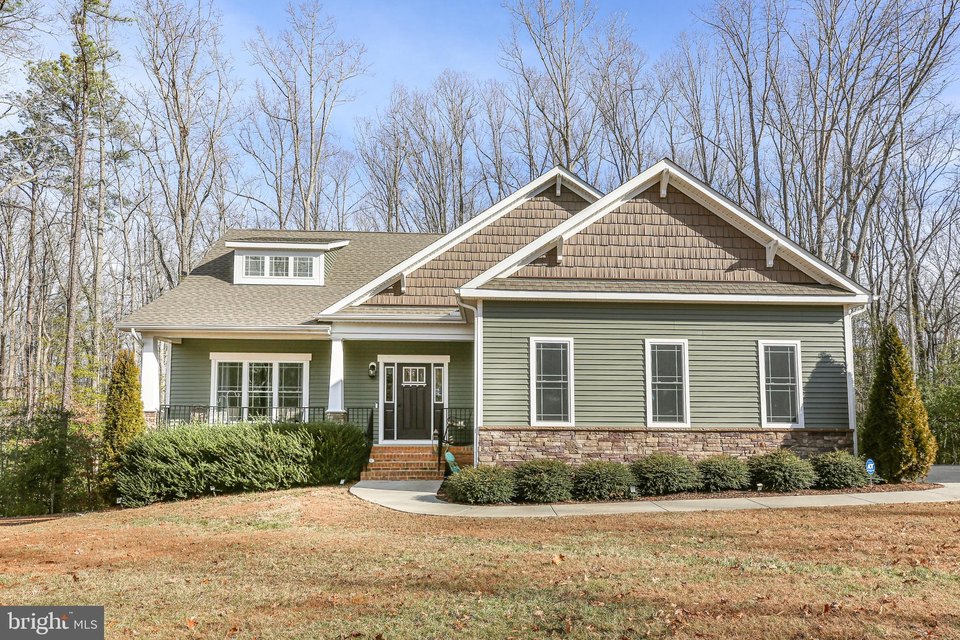
Sandy Hook is a private gated peninsula community south of Langley village, set on a wooded promontory that extends into Saratoga Passage. The community features custom homes on generous lots, deeded beach access, a community boat launch and tennis facilities, and one of the most established homeowner association cultures on Whidbey Island. Architectural styles range from traditional Pacific Northwest cedar to contemporary glass-forward designs. Pricing in Sandy Hook generally ranges from $850,000 for inland and view homes to over $2.5 million for direct waterfront properties with deeded beach. The peninsula's combination of privacy, water access on multiple sides, and proximity to Langley village amenities makes it one of the most coveted waterfront enclaves on South Whidbey. Inventory is typically tight, with properties often passing through long ownership cycles.
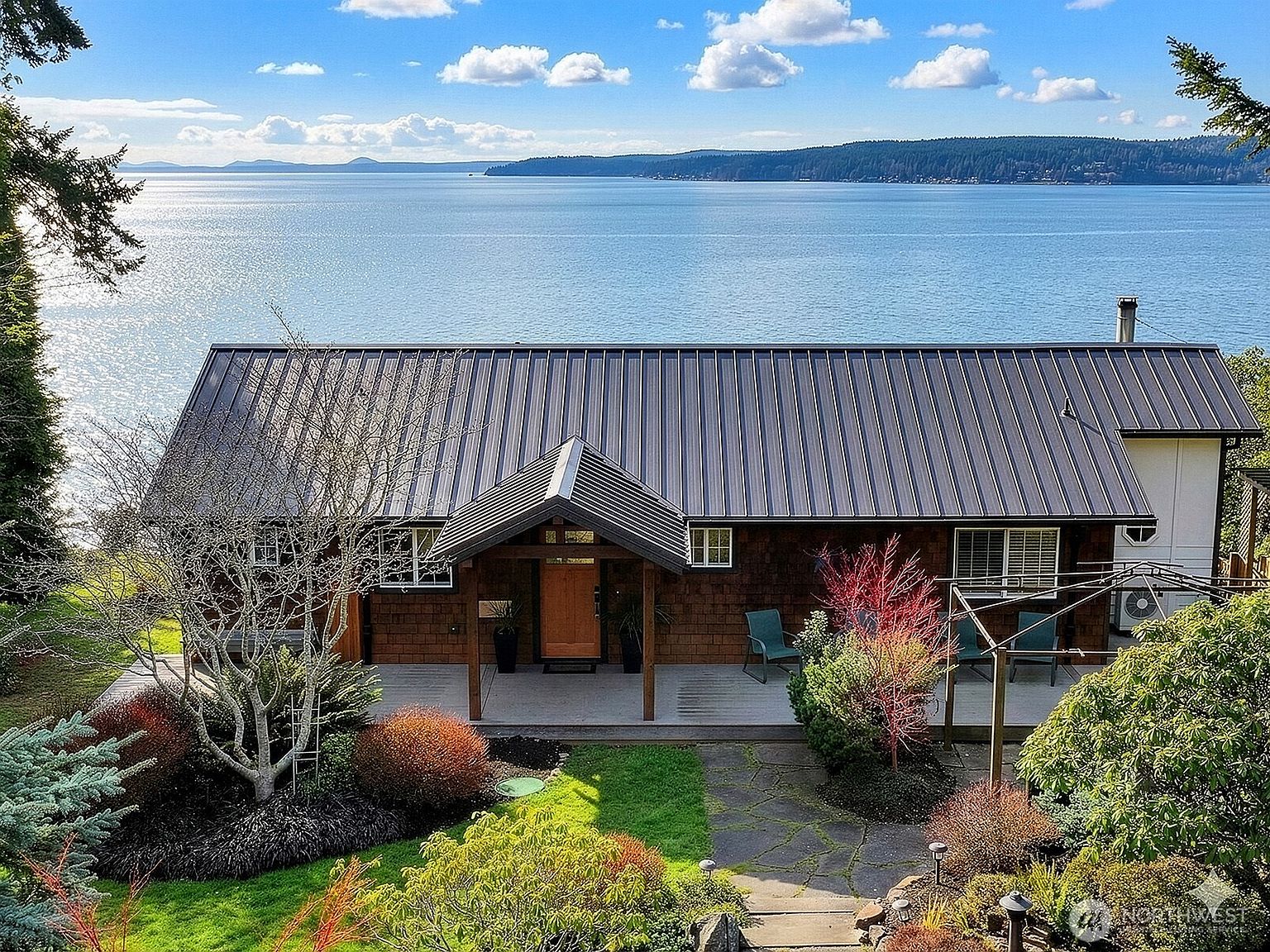
The area north of Langley city limits along Saratoga Road and the connecting rural lanes includes a mix of established single-family homes, larger acreage parcels, and waterfront and view properties on the Saratoga Passage shoreline. Homes in this area are generally set on lots ranging from a half-acre to several acres, with construction spanning the 1970s through recent custom builds. Pricing in North Langley typically ranges from the high $500,000s for inland homes on standard lots to over $1.5 million for waterfront and acreage properties. The area appeals to buyers who want easy access to Langley village amenities while keeping a more rural residential setting and larger lot than what the village itself offers. Several properties along this corridor feature partial water views or short walks to community beach access points.
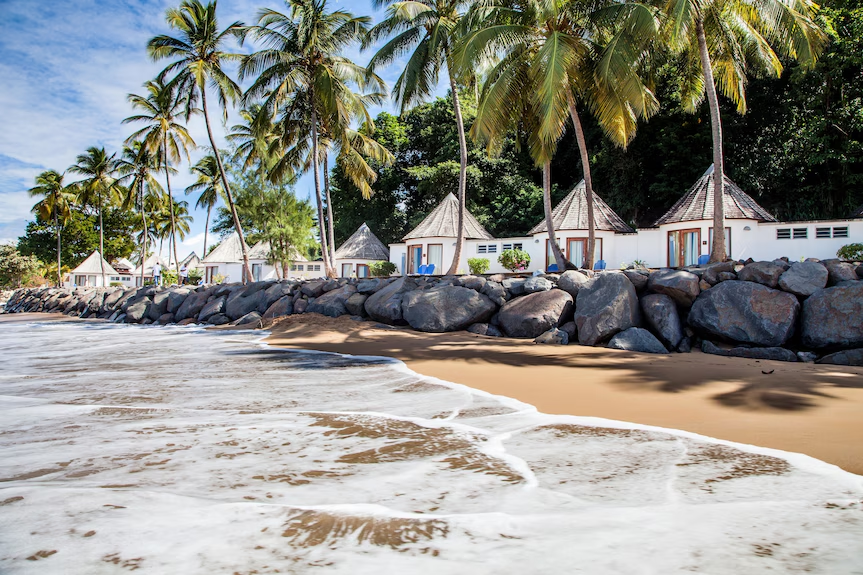
The area south of Langley village toward the Maxwelton and Brighton Beach corridor includes a mix of waterfront homes, beach cottages, and rural-residential properties on the south-facing shoreline of Whidbey Island. Maxwelton Beach is a long-established summer-cottage and year-round community with a public beach, an annual Fourth of July parade that draws visitors from across the region, and a tight-knit community feel. Brighton Beach offers a similar character along its own stretch of shoreline. Pricing along the Maxwelton and Brighton Beach corridor generally ranges from $750,000 for inland and view homes to over $2 million for direct beachfront properties. Many of the older summer cottages have been carefully updated for year-round use while preserving their original beach-cottage character. For buyers who want south-facing waterfront with a traditional community feel and proximity to both Langley village and the Clinton ferry, this stretch is one of the most distinctive options on South Whidbey.
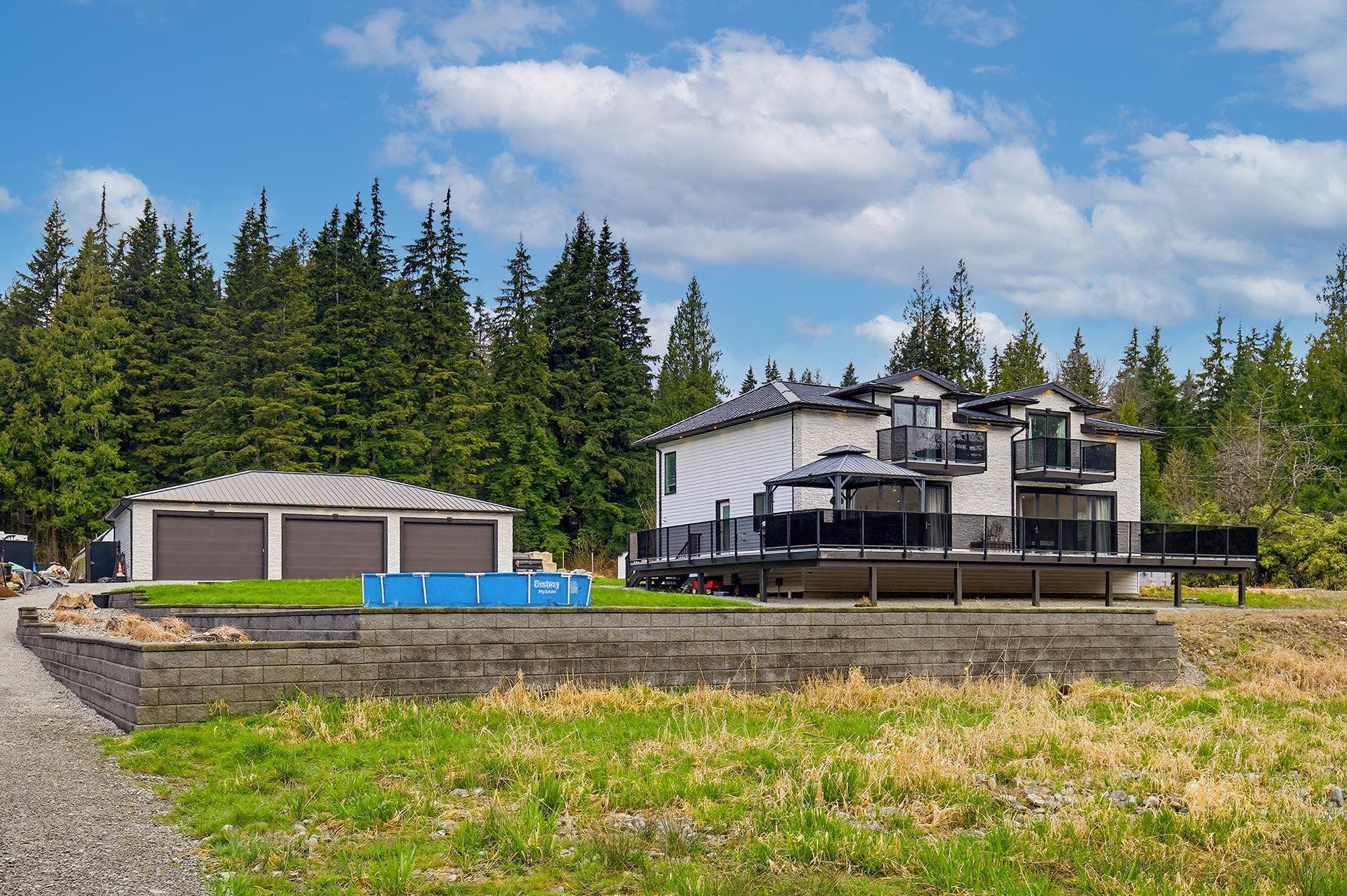
Beyond the named communities and waterfront enclaves, the broader Langley area includes rural acreage parcels scattered along the network of roads connecting the village to Freeland and Clinton. Properties range from three-acre to ten-plus-acre parcels, suitable for hobby farms, equestrian properties, garden estates, or buyers who simply want significant land within easy reach of village amenities. Pricing for rural acreage in the Langley area varies widely based on size, improvements, and view. Standard acreage homes typically start in the high $600,000s. Larger parcels with custom homes, outbuildings, or partial water views can range from $900,000 to over $1.8 million. The combination of rural privacy and proximity to one of the most distinctive small towns in the Pacific Northwest is a meaningful draw for buyers who want both.

Langley is small in footprint but contains several distinct sub-areas, each with its own character, price range, and appeal. From the walkable village core to private waterfront enclaves to rural acreage just outside the city limits, understanding the geography is essential to finding a Langley home that matches the way you want to live.
The historic core of Langley surrounds First Street and Second Street, a walkable village where the bluff-top park, galleries, restaurants, the Clyde Theatre, and the library are all within a few blocks of each other. Homes in this area include early-20th-century cottages, restored craftsman bungalows, sea captain's homes, and a small inventory of in-village condos and townhomes. Lots are generally compact, and the village character is the defining feature. Pricing in the downtown Langley village typically ranges from the high $500,000s for cottages and condos to the low $900,000s for restored historic homes with view corridors, with view properties reaching higher. The walkability is genuinely rare on Whidbey Island, and buyers who place a premium on being able to live without the car are willing to pay for the privilege. For retirees, downsizers, and arts-oriented buyers, the village core is one of the most distinctive options on the entire island.
The Saratoga Passage shoreline north and south of Langley village offers some of the most distinctive waterfront on Whidbey Island, with bluff-top homes oriented toward sweeping views of Camano Island and the Cascade Mountains beyond. Homes along the bluff include classic mid-century waterfront residences, contemporary custom builds designed around the view, and a handful of restored historic homes. Beach access varies by property, with some homes featuring private trails to the shoreline and others sharing community beach easements. Pricing for Saratoga Passage bluff and waterfront homes generally ranges from $1.1 million for view homes set back from the immediate bluff to over $3 million for premium bluff-top properties with private beach access. The eastern exposure brings spectacular sunrise views over the Cascades and consistent whale-watching from spring through early summer. For buyers seeking dramatic Pacific Northwest waterfront with sheltered, protected water rather than open ocean, the Langley bluff is one of the strongest options on the island.
Sandy Hook is a private gated peninsula community south of Langley village, set on a wooded promontory that extends into Saratoga Passage. The community features custom homes on generous lots, deeded beach access, a community boat launch and tennis facilities, and one of the most established homeowner association cultures on Whidbey Island. Architectural styles range from traditional Pacific Northwest cedar to contemporary glass-forward designs. Pricing in Sandy Hook generally ranges from $850,000 for inland and view homes to over $2.5 million for direct waterfront properties with deeded beach. The peninsula's combination of privacy, water access on multiple sides, and proximity to Langley village amenities makes it one of the most coveted waterfront enclaves on South Whidbey. Inventory is typically tight, with properties often passing through long ownership cycles.
The area north of Langley city limits along Saratoga Road and the connecting rural lanes includes a mix of established single-family homes, larger acreage parcels, and waterfront and view properties on the Saratoga Passage shoreline. Homes in this area are generally set on lots ranging from a half-acre to several acres, with construction spanning the 1970s through recent custom builds. Pricing in North Langley typically ranges from the high $500,000s for inland homes on standard lots to over $1.5 million for waterfront and acreage properties. The area appeals to buyers who want easy access to Langley village amenities while keeping a more rural residential setting and larger lot than what the village itself offers. Several properties along this corridor feature partial water views or short walks to community beach access points.
The area south of Langley village toward the Maxwelton and Brighton Beach corridor includes a mix of waterfront homes, beach cottages, and rural-residential properties on the south-facing shoreline of Whidbey Island. Maxwelton Beach is a long-established summer-cottage and year-round community with a public beach, an annual Fourth of July parade that draws visitors from across the region, and a tight-knit community feel. Brighton Beach offers a similar character along its own stretch of shoreline. Pricing along the Maxwelton and Brighton Beach corridor generally ranges from $750,000 for inland and view homes to over $2 million for direct beachfront properties. Many of the older summer cottages have been carefully updated for year-round use while preserving their original beach-cottage character. For buyers who want south-facing waterfront with a traditional community feel and proximity to both Langley village and the Clinton ferry, this stretch is one of the most distinctive options on South Whidbey.
Beyond the named communities and waterfront enclaves, the broader Langley area includes rural acreage parcels scattered along the network of roads connecting the village to Freeland and Clinton. Properties range from three-acre to ten-plus-acre parcels, suitable for hobby farms, equestrian properties, garden estates, or buyers who simply want significant land within easy reach of village amenities. Pricing for rural acreage in the Langley area varies widely based on size, improvements, and view. Standard acreage homes typically start in the high $600,000s. Larger parcels with custom homes, outbuildings, or partial water views can range from $900,000 to over $1.8 million. The combination of rural privacy and proximity to one of the most distinctive small towns in the Pacific Northwest is a meaningful draw for buyers who want both.
Browse the latest active listings in Langley, Washington
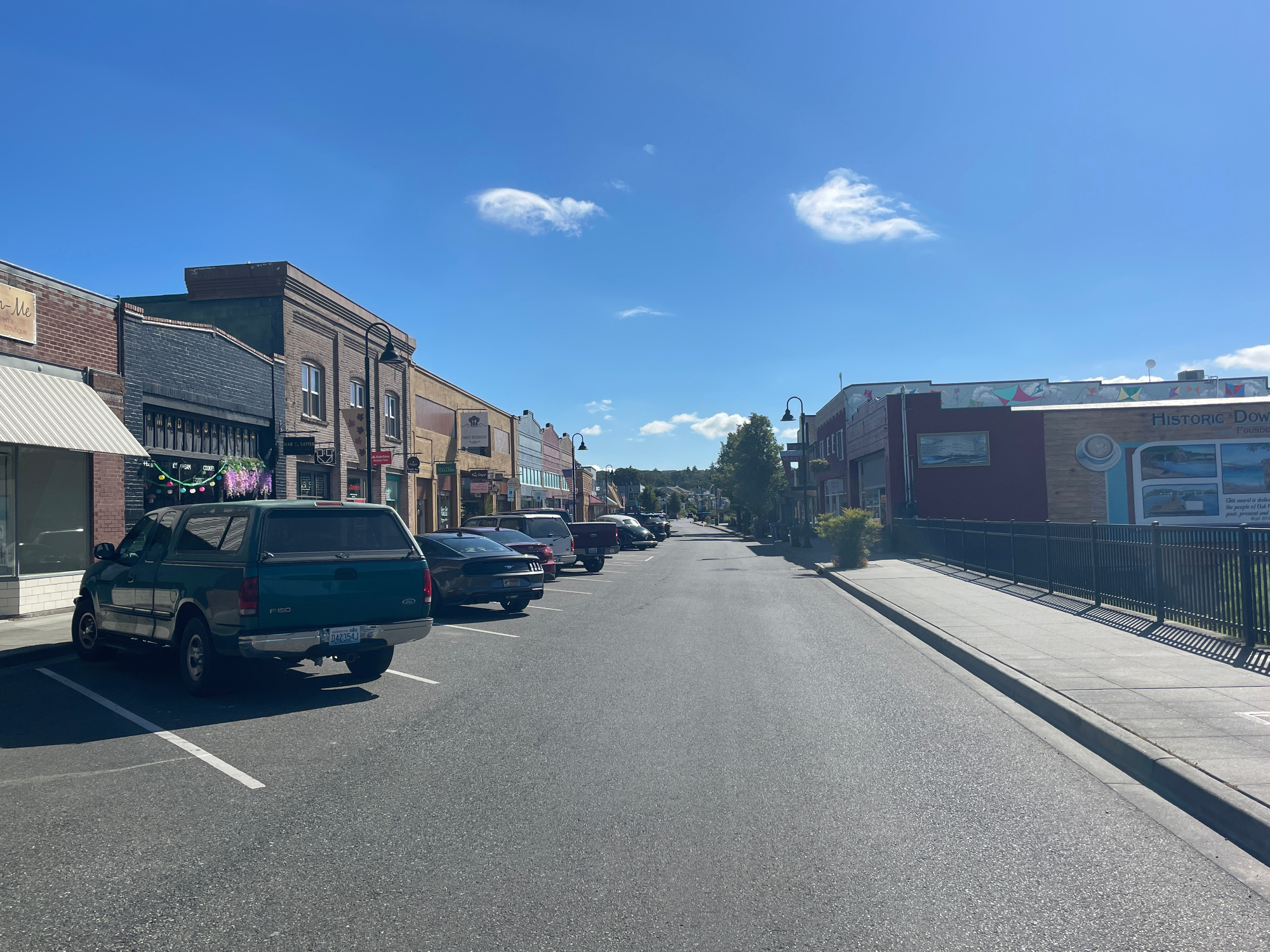
The original village of Oak Harbor surrounds SE Pioneer Way and the city marina, a walkable district that has become the cultural and dining heart of North Whidbey. Homes here include early and mid-twentieth century cottages and bungalows on modest lots, along with a growing inventory of condos and townhomes within walking distance of restaurants, breweries, the library, and Windjammer Park. Pricing in the downtown core is among the most accessible in Oak Harbor. Older single-family homes generally range from the mid $300,000s to the low $500,000s, while updated condos and townhomes near the marina start in the high $200,000s and reach the low $400,000s. For first-time buyers, downsizing retirees, or anyone who values walkability over square footage, this is one of the best values on Whidbey Island.
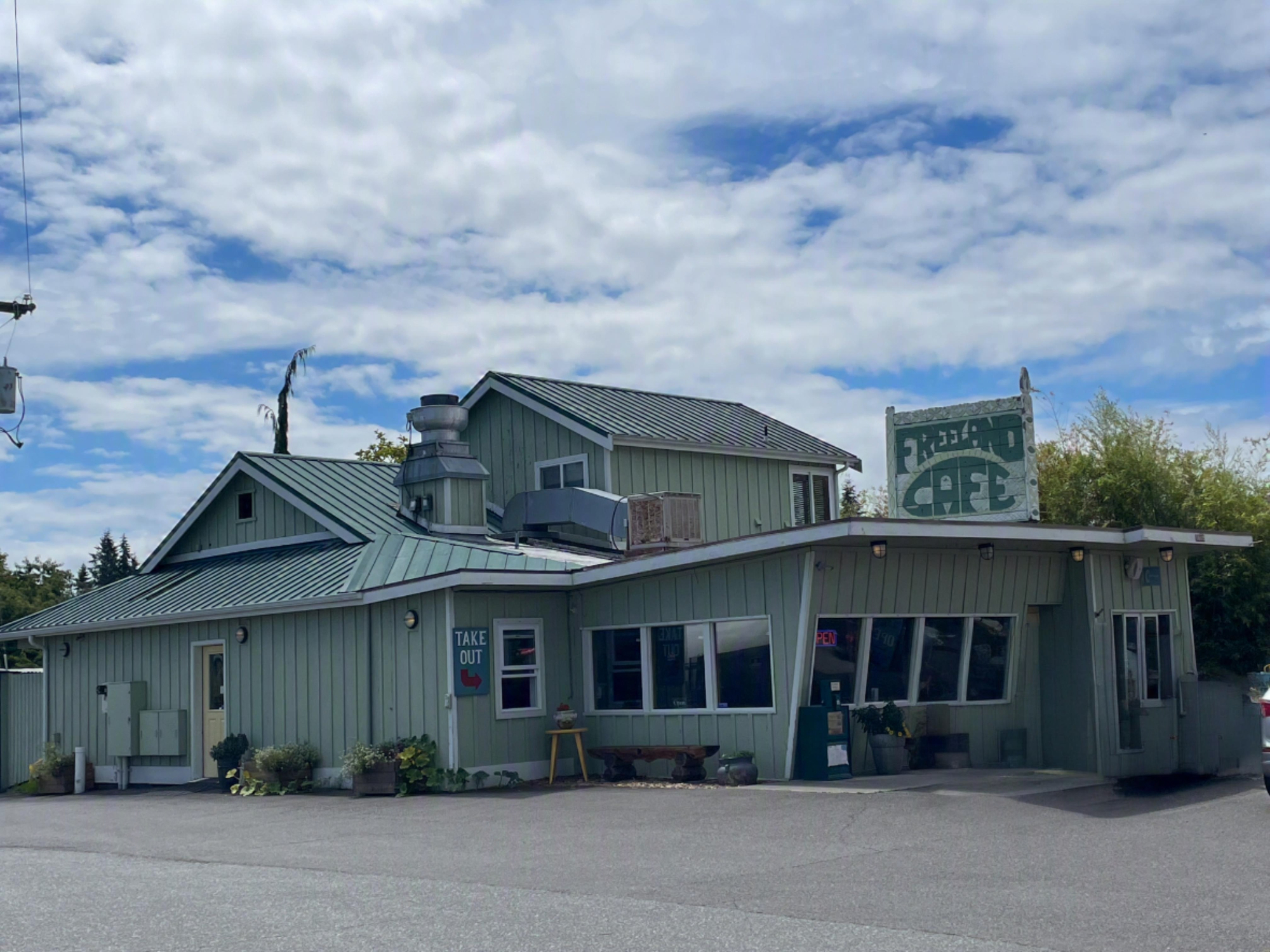
The center of Freeland surrounds Main Street and the Highway 525 commercial corridor, a walkable area with the grocery store, library, restaurants, banking, and professional services within reach of the surrounding residential streets. Homes in this area include established mid-century single-family residences, smaller cottages, condos, and a growing inventory of newer townhomes and patio homes geared toward downsizers and lock-and-leave buyers. Pricing in the downtown Freeland area generally ranges from the high $400,000s for condos and townhomes to the low $700,000s for established single-family homes. The walkability to daily services, proximity to Freeland Park on Holmes Harbor, and lower maintenance footprint make this area one of the most popular options for retirees, empty-nesters, and buyers who simply want to spend less time in the car.

The immediate area around the Clinton ferry terminal forms the closest thing to a village in Clinton, with a small commercial cluster, the ferry holding lanes, and a mix of residential streets that climb the wooded hillside above the terminal. Homes in this area include mid-century single-family residences, smaller cottages, and a handful of newer townhomes and condos. The ferry presence shapes daily life, including the rhythm of arriving and departing traffic. Pricing in the Clinton ferry village area generally ranges from the high $400,000s for smaller homes and condos to the high $600,000s for established single-family residences. Buyers who place the highest value on minimizing daily ferry commute time often choose this area specifically, and the proximity to the terminal is a meaningful advantage for households with daily mainland work, school, or medical commitments.
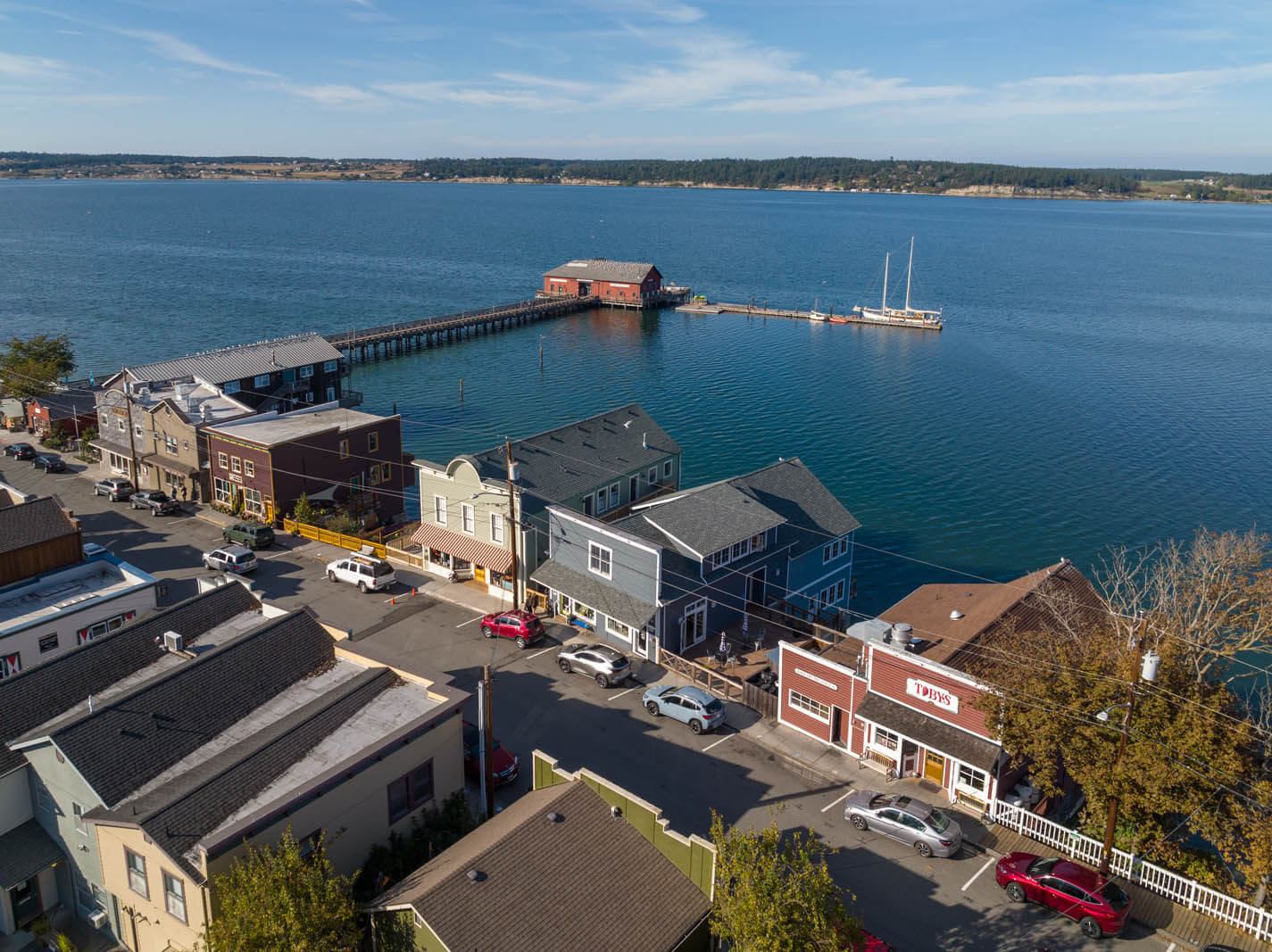
The original village of Coupeville surrounds Front Street and the Coupeville Wharf, a National Register Historic District where the streetscape, architecture, and overall character have been preserved largely as they appeared in the late 19th and early 20th centuries. Homes in and just above the historic district include restored Victorian cottages, sea captain's homes, craftsman bungalows, and mid-century cottages on small, walkable lots within steps of the waterfront, restaurants, and shops. Pricing in the historic core typically ranges from the high $400,000s to the mid $700,000s for cottages and bungalows, with larger restored historic homes reaching the high $800,000s and beyond. Buyers in this area should be aware that exterior changes may be subject to historic district guidelines, but for many owners, the chance to live in a genuinely preserved 19th-century town more than offsets that consideration.
The historic core of Langley surrounds First Street and Second Street, a walkable village where the bluff-top park, galleries, restaurants, the Clyde Theatre, and the library are all within a few blocks of each other. Homes in this area include early-20th-century cottages, restored craftsman bungalows, sea captain's homes, and a small inventory of in-village condos and townhomes. Lots are generally compact, and the village character is the defining feature. Pricing in the downtown Langley village typically ranges from the high $500,000s for cottages and condos to the low $900,000s for restored historic homes with view corridors, with view properties reaching higher. The walkability is genuinely rare on Whidbey Island, and buyers who place a premium on being able to live without the car are willing to pay for the privilege. For retirees, downsizers, and arts-oriented buyers, the village core is one of the most distinctive options on the entire island.
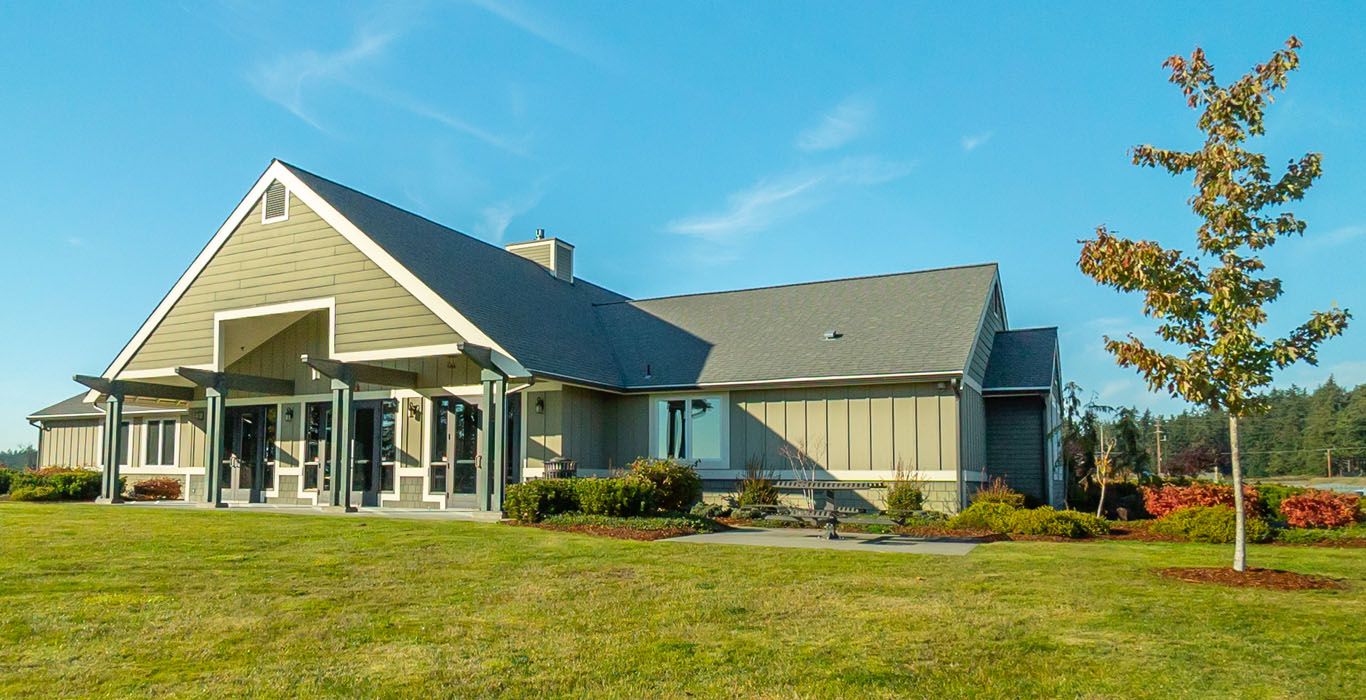
Oak Harbor is the largest city on Whidbey Island with approximately 24,600 residents, anchored by Naval Air Station Whidbey Island and offering the most accessible price points on the island. The community combines a stable military-driven economy with two state parks (Deception Pass and Joseph Whidbey), a substantial commercial base, and a strong school district. The typical home value is around $525,000, with waterfront homes ranging from $1 million to over $2.5 million.
Langley's dining scene is unusually sophisticated for a town of just over 1,150 residents, with a per-capita restaurant density that draws diners from across South Whidbey and the Seattle metro. The Inn at Langley anchors the fine-dining experience with a multi-course chef's tasting menu, a Forbes Travel Guide reputation, and a dining room that looks out over Saratoga Passage. Prima Bistro brings classic French bistro cooking to First Street with steak frites, mussels, and an extensive wine list in a relaxed dining-room atmosphere. Café Langley has been a Mediterranean fixture for more than 30 years, serving lamb, seafood, and pasta in a warm and inviting space. For breakfast and brunch, The Braeburn is the longtime First Street favorite, known for hash specialties, eggs benedict variations, and pastries baked in house. Useless Bay Coffee Company in the village serves locally roasted coffee alongside light food and a community gathering atmosphere. Mukilteo Coffee Roasters operates its roastery and cafe in the area, drawing coffee enthusiasts from across the region. The Village Pizzeria covers casual dinner needs with hand-tossed pies and a relaxed family atmosphere. Saltwater Fish House and Oyster Bar offers locally caught seafood and a fresh raw bar in a comfortable setting near the village center.
Whidbey Island Distillery, located just outside Langley, produces award-winning blackberry liqueurs and rye whiskey served at restaurants throughout South Whidbey and across the island. Comforts of Whidbey, a small estate winery and tasting room south of Langley, offers locally produced wines paired with sweeping farm and woodland views. Several Langley wine bars and pop-up tasting events showcase Washington State producers from the Yakima and Walla Walla valleys, and Penn Cove Brewing Company in Coupeville is the closest dedicated brewery to the north.
First Street and Second Street form one of the most distinctive small-town shopping districts in the Pacific Northwest, with galleries, boutiques, bookshops, and specialty stores in restored late 19th and early 20th-century buildings. Moonraker Books is the village's beloved independent bookseller. Museo, Brackenwood Gallery, Rob Schouten Gallery, and the Whidbey Art Gallery cooperative showcase Pacific Northwest artists working in painting, sculpture, glass, ceramics, and fine craft. Hellebore Glass Studio and Callahan's Firehouse offer working glass studios where visitors can watch artists at work. The Goosefoot organization supports local agriculture with a year-round program of farm-to-table events. For everyday groceries, Payless Foods in nearby Freeland is the closest full grocery store, about 10 minutes north.
Langley's bluff-top park along First Street offers some of the best land-based whale watching on the West Coast, with gray whales passing through Saratoga Passage each spring on their migration north. The Whale Bell at the Boy and Dog statue rings when whales are spotted from shore. Seawall Park provides additional bluff access and seating. South Whidbey State Park, a short drive northwest, includes old-growth forest trails, a sandy beach, and a family-friendly campground. Langley's annual calendar is one of the most active on the island. DjangoFest Northwest in September draws gypsy jazz musicians from around the world for a multi-day festival. Choochokam Arts Festival in July fills First Street with art, music, and food vendors. Welcome the Whales Day in April celebrates the gray whale migration. Langley Mystery Weekend in late February or early March turns the village into an interactive whodunit. The Whidbey Island Center for the Arts presents a year-round calendar of theater, music, dance, and film. The Clyde Theatre operates as one of the few remaining single-screen community cinemas in the region. Langley Marina provides access to Saratoga Passage for sailing, kayaking, and crabbing.
Langley is served by the South Whidbey School District, with all three of the district's schools located in or immediately adjacent to the city. The district serves approximately 1,400 students total and is recognized for its strong arts emphasis, outdoor learning programs, and Running Start partnership that allows juniors and seniors to earn college credit while still in high school.


Private school options accessible to Langley families include Whidbey Island Waldorf School in nearby Clinton, which serves preschool through eighth grade with a Waldorf-inspired curriculum, and several smaller cooperative and Montessori-style preschool programs across South Whidbey. Skagit Valley College Whidbey Island Campus in Oak Harbor offers two-year associate degrees, transfer programs, and the Running Start program for high school students. The University of Washington in Seattle is reachable in about 90 minutes via the Clinton to Mukilteo ferry, and Western Washington University in Bellingham is approximately two hours north.

The typical home value in Langley is approximately $775,000 according to Zillow, with significant variation by location and property type. Cottages, bungalows, and historic homes within walking distance of First Street generally range from the high $500,000s to the low $900,000s. Single-family homes on standard lots in established neighborhoods typically range from the high $500,000s to the high $800,000s. Saratoga Passage waterfront and bluff homes can range from $1.1 million to over $3 million depending on view orientation and beach access. Sandy Hook waterfront properties reach similar premium pricing for the most coveted positions.
Living in Langley village means being part of one of the most genuinely walkable small towns in the Pacific Northwest, with First Street's galleries, restaurants, the Clyde Theatre, the library, and the bluff-top park all within a few blocks of home. Homes in the village include early-20th-century cottages, restored craftsman bungalows, sea captain's homes, and a small inventory of condos and townhomes. The village hosts a year-round calendar of festivals, gallery openings, and community events that genuinely transform First Street rather than getting lost in a larger downtown.
Langley is served by the South Whidbey School District, with all three district schools located in or immediately adjacent to the city. The district serves approximately 1,400 students total. South Whidbey High School holds a B+ on Niche, offers advanced placement courses, and partners with Skagit Valley College for the Running Start program that allows juniors and seniors to earn college credit. The district is recognized for its strong arts emphasis and outdoor learning programs. Private school options nearby include Whidbey Island Waldorf School in Clinton.
Yes. Langley's bluff-top village along Saratoga Passage is one of the most reliable land-based whale-watching spots on the West Coast. Gray whales pass through Saratoga Passage each spring on their migration north, often within easy view of First Street and the surrounding waterfront homes. The Whale Bell at the Boy and Dog statue rings when whales are spotted from shore. Orcas pass through periodically, and harbor seals and porpoises are everyday sights from the bluff. Many waterfront homes along the Saratoga Passage shoreline offer direct viewing from the property itself.
The best Langley neighborhoods for waterfront living depend on what kind of waterfront experience you want. The Saratoga Passage shoreline north and south of the village offers dramatic bluff-top views toward Camano Island and the Cascades, generally priced from $1.1 million to over $3 million. Sandy Hook is a private gated peninsula community with deeded beach access and a tight-knit homeowner association culture, with similar premium pricing. Maxwelton Beach and Brighton Beach to the south offer south-facing waterfront with a traditional beach-community feel, typically from $750,000 to over $2 million.
Langley and Freeland offer two distinct South Whidbey lifestyles. Langley is the arts and cultural capital of the south end, with a walkable historic village, sophisticated dining, year-round festivals, and bluff-top whale watching, generally with higher per-property pricing reflecting the village character and view premium. Freeland to the north is the practical commercial hub with full-service grocery, banking, and healthcare, deeper inventory across price points, and the closest ferry access on South Whidbey. Buyers prioritizing arts, walkability, and waterfront character tend to choose Langley, while buyers prioritizing convenience, golf, and broader inventory tend toward Freeland.
Don Jaques has lived on Whidbey Island for more than 20 years, has closed over 150 transactions across the island, and runs his real estate practice from an office in Coupeville with a service area covering all of Langley and South Whidbey. He specializes in residential, waterfront, and retirement properties and is known for his integrity, clear communication, and willingness to go the extra mile for clients. Langley rewards a real estate agent who knows the difference between a village walking radius and a five-minute drive, the character of Sandy Hook versus the bluff homes north of town, and the way the Saratoga Passage shoreline shifts in feel from one stretch to the next. Don brings exactly that kind of local expertise.
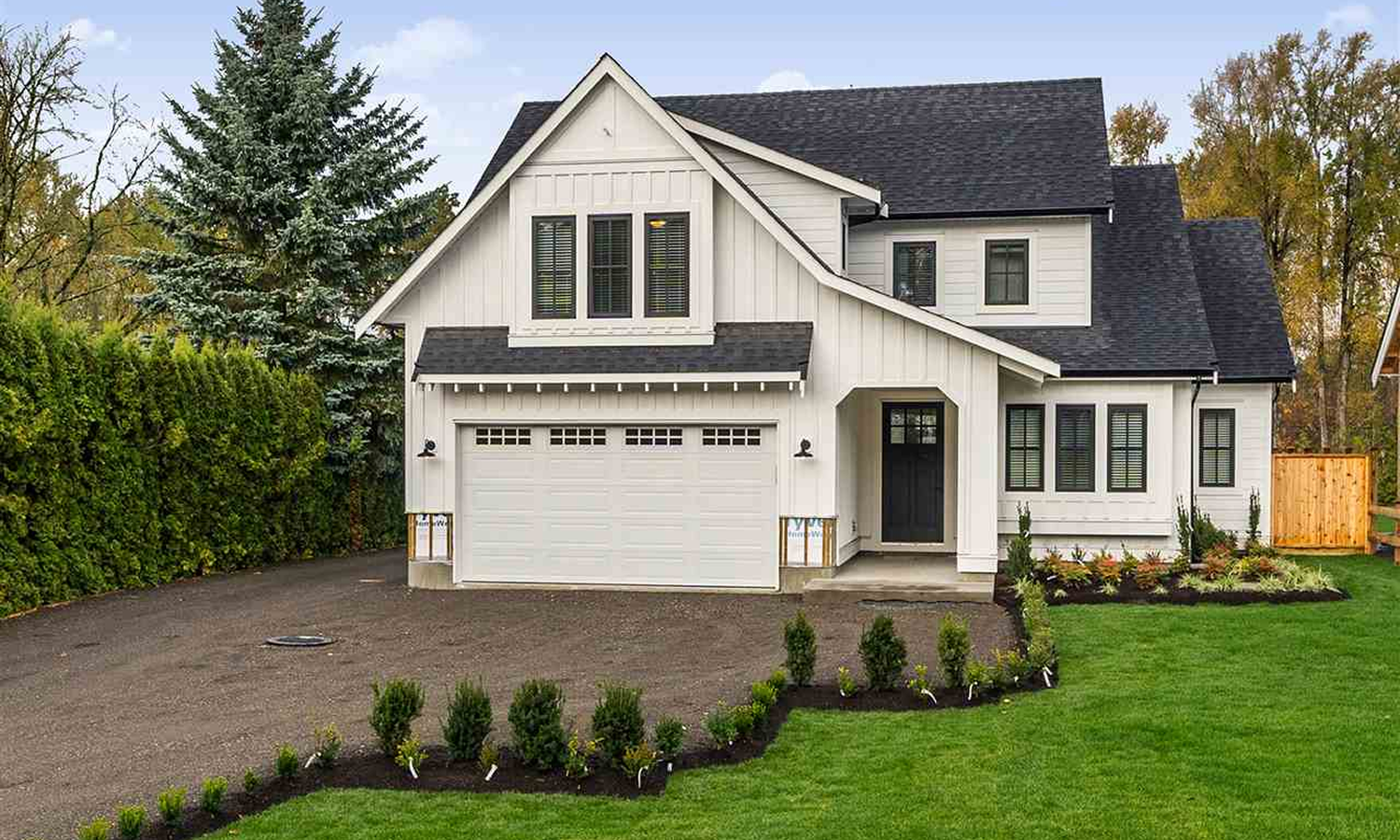
Langley offers something rare on Whidbey Island and rare across the Pacific Northwest: a walkable historic village perched above the water, a genuine year-round arts community, and waterfront homes where you can ring the Whale Bell when the gray whales pass by. From restored cottages on First Street to bluff-top homes above Saratoga Passage to gated beach access at Sandy Hook, Don Jaques can help you navigate the Langley market with the confidence that comes from over 20 years of Whidbey Island experience and more than 150 closed transactions. Contact Don today to begin your Langley home search.


