Total Island Population
~70,000 (Island County, 2024 estimate)
.jpg)
From Deception Pass to Clinton Ferry | The Longest Island in Washington State
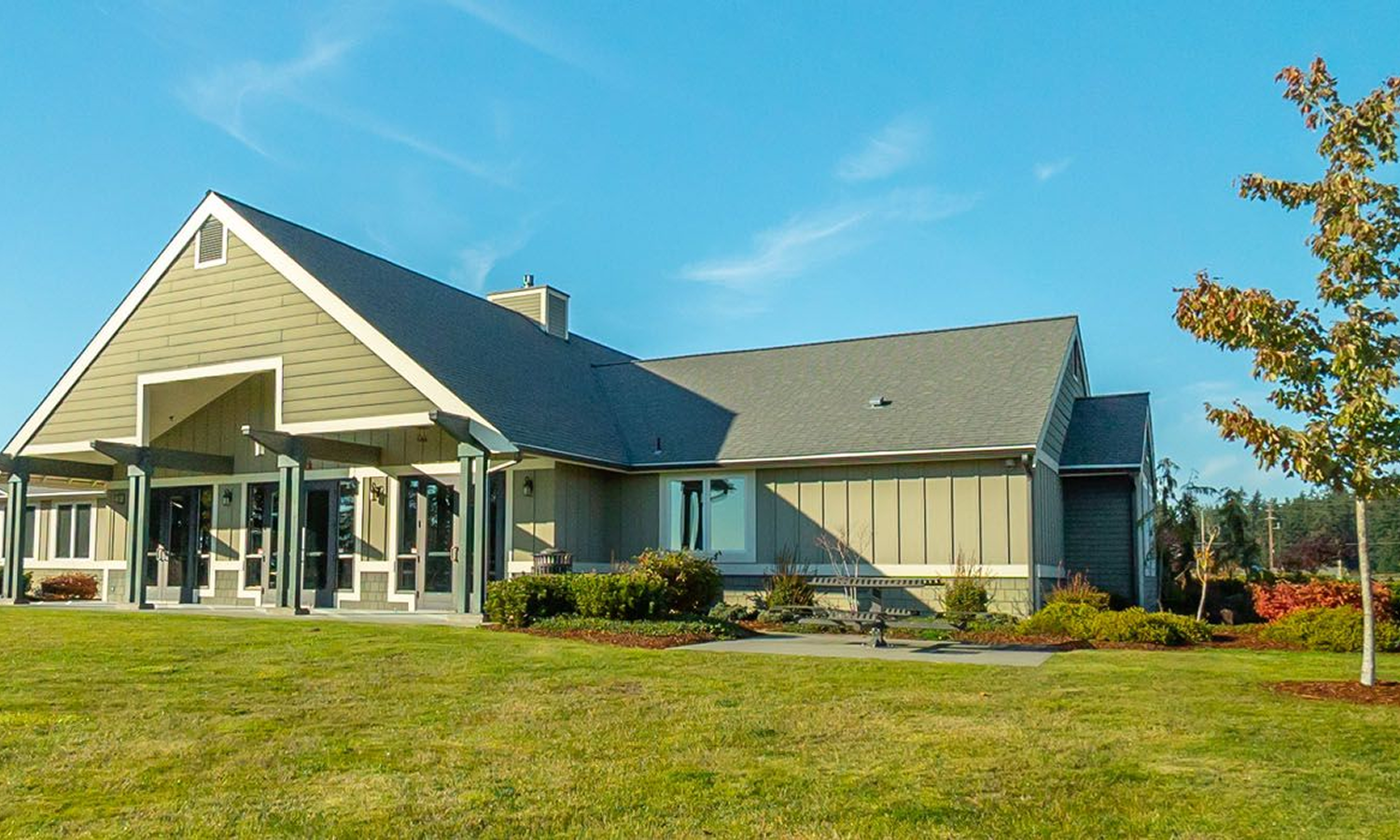
Whidbey Island, Washington is the longest island in Washington State and the second longest island in the contiguous United States, stretching approximately 55 miles from Deception Pass at the north end to Possession Point at the south, and offering one of the most varied real estate markets in the Pacific Northwest across six distinct towns and dozens of sub-neighborhoods. For buyers searching for Whidbey Island homes for sale, the island delivers a quality of place and a range of price points that mainland Puget Sound markets simply cannot match: true saltwater island living, two reliable connections to the mainland, three school districts, and homes that range from sub-$300,000 condos near downtown Oak Harbor to $3 million-plus waterfront estates on Penn Cove and Saratoga Passage.
The island sits in Puget Sound between the Olympic Peninsula and the mainland, with Saratoga Passage and Possession Sound on the east side and the Strait of Juan de Fuca and Admiralty Inlet on the west. Two reliable connections link Whidbey Island to the mainland and the broader region. Deception Pass Bridge at the north end carries Highway 20 across to Fidalgo Island and Anacortes, providing year-round road access to I-5 and the Bellingham and Burlington corridors. The Mukilteo to Clinton ferry at the south end runs every 30 minutes during peak hours, with a 20-minute crossing into the Seattle metro. The Coupeville to Port Townsend ferry adds a third option mid-island, opening up the Olympic Peninsula in about 35 minutes by water.
Whidbey Island's real estate market is shaped by the fact that each of its six towns has a distinct character, a distinct buyer pool, and a distinct price range. Oak Harbor at the north end is the largest city on the island with approximately 24,600 residents, anchored by Naval Air Station Whidbey Island and offering the most accessible price points, with a typical home value around $525,000. Coupeville is the historic county seat of Island County, with Penn Cove waterfront and Ebey's Reserve farmland, and a typical home value closer to $675,000. Greenbank is the rural heart of the island with acreage and dual shorelines. Freeland is the commercial hub of South Whidbey. Langley is the arts village with bluff-top whale watching and a typical home value approaching $775,000. Clinton sits at the south end with the shortest ferry commute on the island and the most accessible South Whidbey pricing.
Three school districts serve Whidbey Island: Oak Harbor School District covering the north end and serving approximately 5,500 students, Coupeville School District covering the central part of the island with approximately 900 students, and South Whidbey School District covering the south end with approximately 1,400 students. WhidbeyHealth Medical Center in Coupeville is the only full-service hospital on the island, providing healthcare access for the entire community. As a Whidbey Island specialist with more than 20 years of local experience, over 150 closed transactions, and an office in historic Coupeville, Don Jaques can help you find the right home anywhere on the island, whether you are searching for a naval-base-adjacent home in Oak Harbor, a historic cottage in Coupeville, an acreage retreat in Greenbank, a country club home in Freeland, a village walking-distance home in Langley, or a ferry-friendly base in Clinton.
Whidbey Island, Washington is the longest island in Washington State and the second longest island in the contiguous United States, stretching approximately 55 miles from Deception Pass at the north end to Possession Point at the south, and offering one of the most varied real estate markets in the Pacific Northwest across six distinct towns and dozens of sub-neighborhoods. For buyers searching for Whidbey Island homes for sale, the island delivers a quality of place and a range of price points that mainland Puget Sound markets simply cannot match: true saltwater island living, two reliable connections to the mainland, three school districts, and homes that range from sub-$300,000 condos near downtown Oak Harbor to $3 million-plus waterfront estates on Penn Cove and Saratoga Passage.
The island sits in Puget Sound between the Olympic Peninsula and the mainland, with Saratoga Passage and Possession Sound on the east side and the Strait of Juan de Fuca and Admiralty Inlet on the west. Two reliable connections link Whidbey Island to the mainland and the broader region. Deception Pass Bridge at the north end carries Highway 20 across to Fidalgo Island and Anacortes, providing year-round road access to I-5 and the Bellingham and Burlington corridors. The Mukilteo to Clinton ferry at the south end runs every 30 minutes during peak hours, with a 20-minute crossing into the Seattle metro. The Coupeville to Port Townsend ferry adds a third option mid-island, opening up the Olympic Peninsula in about 35 minutes by water.
Whidbey Island's real estate market is shaped by the fact that each of its six towns has a distinct character, a distinct buyer pool, and a distinct price range. Oak Harbor at the north end is the largest city on the island with approximately 24,600 residents, anchored by Naval Air Station Whidbey Island and offering the most accessible price points, with a typical home value around $525,000. Coupeville is the historic county seat of Island County, with Penn Cove waterfront and Ebey's Reserve farmland, and a typical home value closer to $675,000. Greenbank is the rural heart of the island with acreage and dual shorelines. Freeland is the commercial hub of South Whidbey. Langley is the arts village with bluff-top whale watching and a typical home value approaching $775,000. Clinton sits at the south end with the shortest ferry commute on the island and the most accessible South Whidbey pricing.
Three school districts serve Whidbey Island: Oak Harbor School District covering the north end and serving approximately 5,500 students, Coupeville School District covering the central part of the island with approximately 900 students, and South Whidbey School District covering the south end with approximately 1,400 students. WhidbeyHealth Medical Center in Coupeville is the only full-service hospital on the island, providing healthcare access for the entire community. As a Whidbey Island specialist with more than 20 years of local experience, over 150 closed transactions, and an office in historic Coupeville, Don Jaques can help you find the right home anywhere on the island, whether you are searching for a naval-base-adjacent home in Oak Harbor, a historic cottage in Coupeville, an acreage retreat in Greenbank, a country club home in Freeland, a village walking-distance home in Langley, or a ferry-friendly base in Clinton.
Whidbey Island stretches approximately 55 miles from Deception Pass to Possession Point, the longest island in Washington and the second longest in the contiguous United States. The scale gives the island room for six distinct towns, three school districts, two state parks, working farmland, dense forests, and more than 200 miles of coastline. No other Puget Sound destination offers this kind of variety within a single connected community.
Unlike the San Juan Islands, Whidbey Island offers two year-round connections to the mainland and beyond. Deception Pass Bridge at the north end provides permanent road access via Highway 20 to Fidalgo Island, Anacortes, and the I-5 corridor. The Mukilteo to Clinton ferry at the south end runs every 30 minutes into the Seattle metro. The Coupeville to Port Townsend ferry adds a third option to the Olympic Peninsula. Buyers never depend on a single connection.
Whidbey Island contains six genuinely different communities, each with its own character, price range, and lifestyle. Oak Harbor offers naval base culture and value pricing. Coupeville offers preserved 19th-century history. Greenbank offers rural acreage. Freeland offers commercial convenience. Langley offers arts and walkability. Clinton offers the shortest ferry commute. Buyers can compare six markets within one island, all served by Don Jaques.
The natural attractions of Whidbey Island stand out even in a region defined by them. Deception Pass State Park is the most-visited state park in Washington with more than 4,000 acres of trails, beaches, and the iconic bridge. Penn Cove produces some of the most celebrated mussels in North America. Ebey's Landing is the first National Historical Reserve in the United States, protecting 17,572 acres of farmland, prairie, and shoreline.
Whidbey Island offers genuine value across the price range that mainland King and Snohomish counties can no longer match. Entry-level condos and townhomes start in the high $200,000s near downtown Oak Harbor. Solid family homes in established neighborhoods range from the high $400,000s through the high $700,000s across all six towns. Premium waterfront, historic, and view properties scale up from there. The island gives buyers options at nearly every budget.
Whidbey Island's calendar runs year-round across the six towns. The Penn Cove MusselFest in March, Holland Happening in April, Welcome the Whales Day in April, the Whidbey Island Fair in July, the Coupeville Arts Festival in August, DjangoFest Northwest in September, and Christmas in the Village across multiple towns in December. The compact size of each town means the festivals genuinely transform their host community rather than getting lost in a larger urban scale.

Whidbey Island stretches approximately 55 miles from Deception Pass to Possession Point, the longest island in Washington and the second longest in the contiguous United States. The scale gives the island room for six distinct towns, three school districts, two state parks, working farmland, dense forests, and more than 200 miles of coastline. No other Puget Sound destination offers this kind of variety within a single connected community.

Unlike the San Juan Islands, Whidbey Island offers two year-round connections to the mainland and beyond. Deception Pass Bridge at the north end provides permanent road access via Highway 20 to Fidalgo Island, Anacortes, and the I-5 corridor. The Mukilteo to Clinton ferry at the south end runs every 30 minutes into the Seattle metro. The Coupeville to Port Townsend ferry adds a third option to the Olympic Peninsula. Buyers never depend on a single connection.

Whidbey Island contains six genuinely different communities, each with its own character, price range, and lifestyle. Oak Harbor offers naval base culture and value pricing. Coupeville offers preserved 19th-century history. Greenbank offers rural acreage. Freeland offers commercial convenience. Langley offers arts and walkability. Clinton offers the shortest ferry commute. Buyers can compare six markets within one island, all served by Don Jaques.

The natural attractions of Whidbey Island stand out even in a region defined by them. Deception Pass State Park is the most-visited state park in Washington with more than 4,000 acres of trails, beaches, and the iconic bridge. Penn Cove produces some of the most celebrated mussels in North America. Ebey's Landing is the first National Historical Reserve in the United States, protecting 17,572 acres of farmland, prairie, and shoreline.

Whidbey Island offers genuine value across the price range that mainland King and Snohomish counties can no longer match. Entry-level condos and townhomes start in the high $200,000s near downtown Oak Harbor. Solid family homes in established neighborhoods range from the high $400,000s through the high $700,000s across all six towns. Premium waterfront, historic, and view properties scale up from there. The island gives buyers options at nearly every budget.

Whidbey Island's calendar runs year-round across the six towns. The Penn Cove MusselFest in March, Holland Happening in April, Welcome the Whales Day in April, the Whidbey Island Fair in July, the Coupeville Arts Festival in August, DjangoFest Northwest in September, and Christmas in the Village across multiple towns in December. The compact size of each town means the festivals genuinely transform their host community rather than getting lost in a larger urban scale.
Whidbey Island is made up of six distinct towns, each with its own character, price range, and lifestyle. Use the summaries below to identify which town fits the way you want to live, then click through to the dedicated town page for the full local guide, sub-neighborhood breakdown, schools, dining, and FAQs.
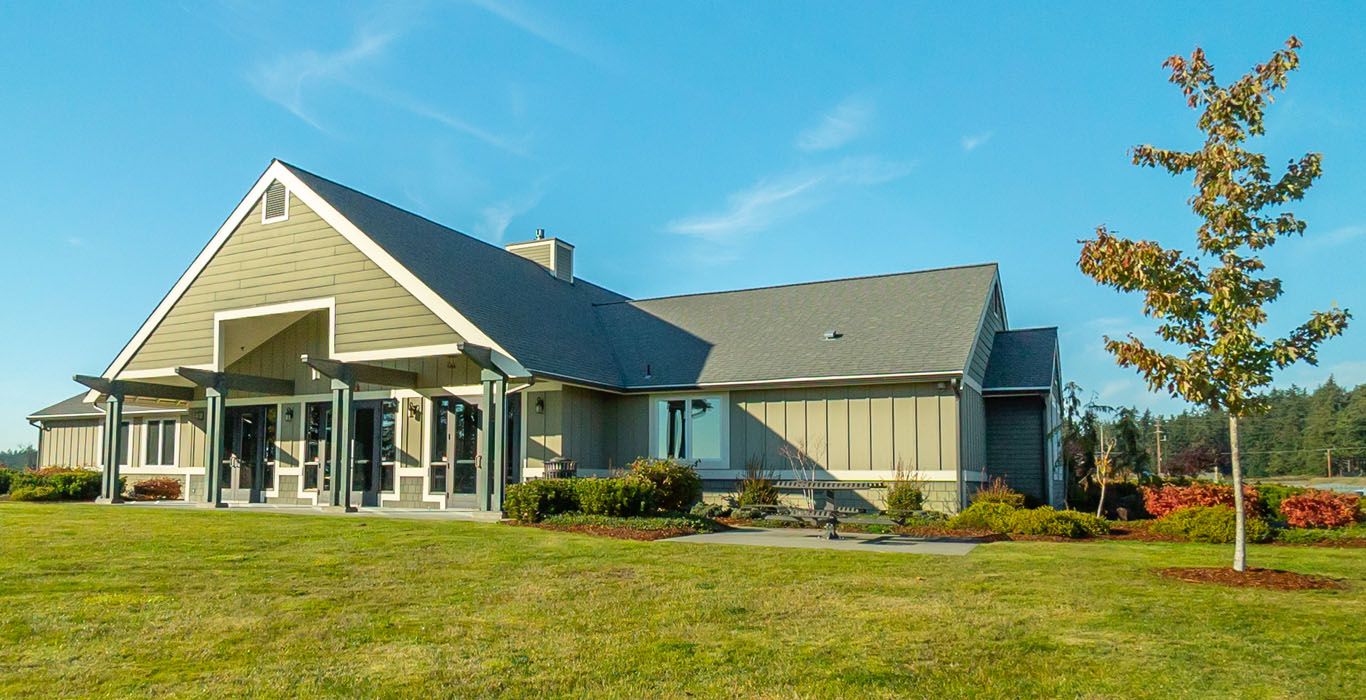
Oak Harbor is the largest city on Whidbey Island with approximately 24,600 residents, anchored by Naval Air Station Whidbey Island and offering the most accessible price points on the island. The community combines a stable military-driven economy with two state parks (Deception Pass and Joseph Whidbey), a substantial commercial base, and a strong school district. The typical home value is around $525,000, with waterfront homes ranging from $1 million to over $2.5 million.
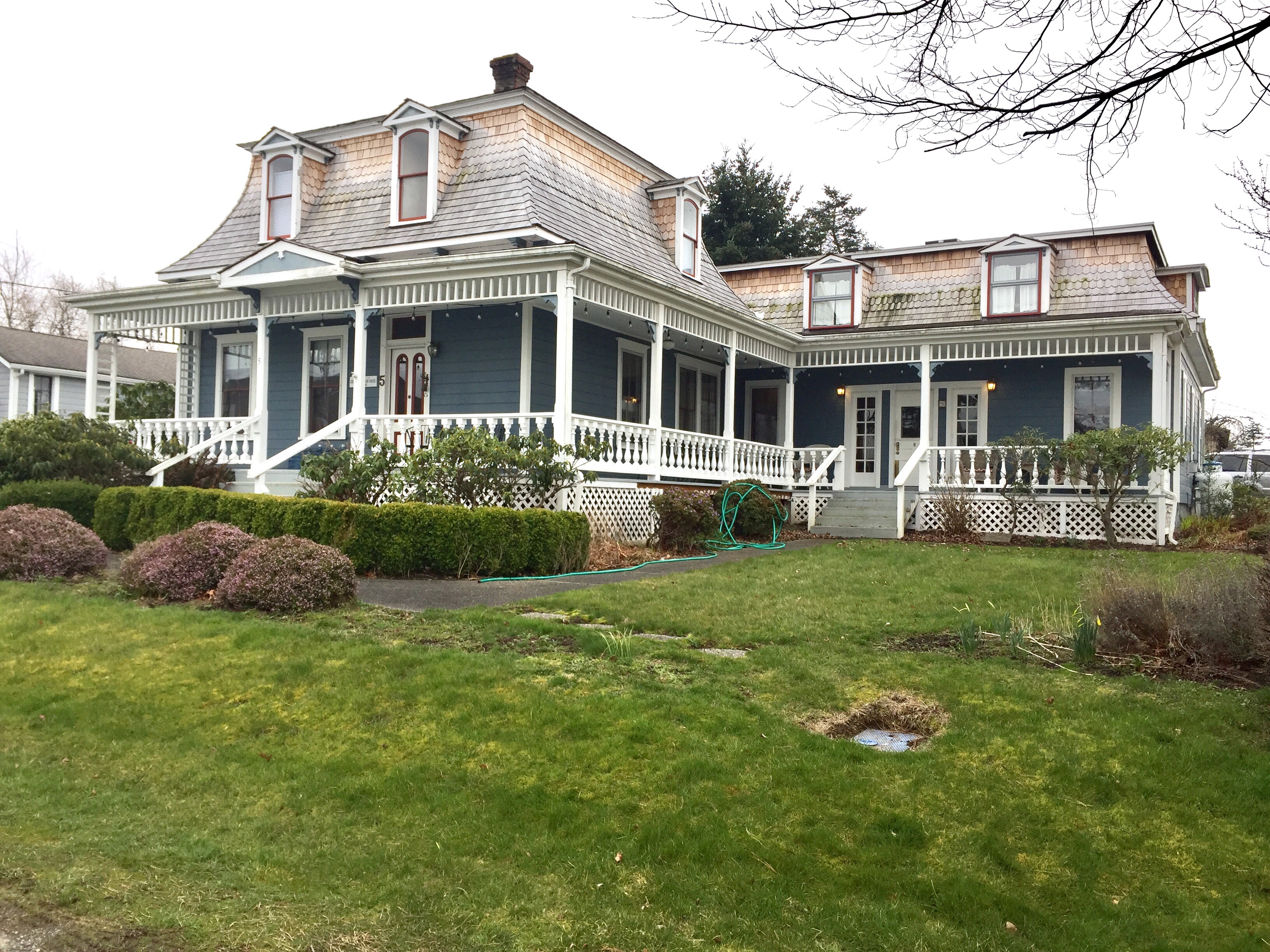
Coupeville is the second-oldest town in Washington State, the county seat of Island County, and the only town in the United States entirely surrounded by a national historical reserve. Historic Front Street and the Coupeville Wharf preserve a 19th-century maritime character along Penn Cove, while Ebey's Landing National Historical Reserve protects 17,572 acres of working farmland around the town. The typical home value is around $675,000, with Penn Cove waterfront and Ebey's Reserve acreage commanding significant premiums.
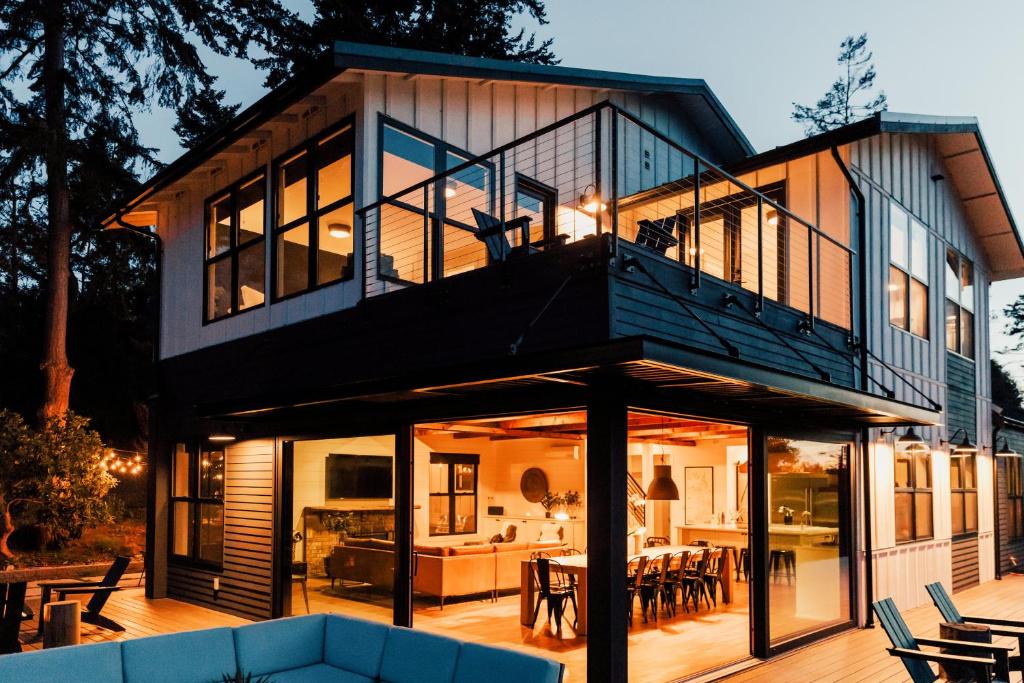
Greenbank is the rural heart of Whidbey Island, a small unincorporated community at the geographic narrows where the island is less than two miles wide and waterfront is available on both shorelines. Greenbank Farm, a 522-acre former loganberry farm, anchors the cultural life of the area, with art galleries, the Whidbey Pies cafe, wine tasting, and miles of public trails. The typical home value is around $725,000, with strong inventory of acreage and waterfront properties at Lagoon Point and Bush Point.
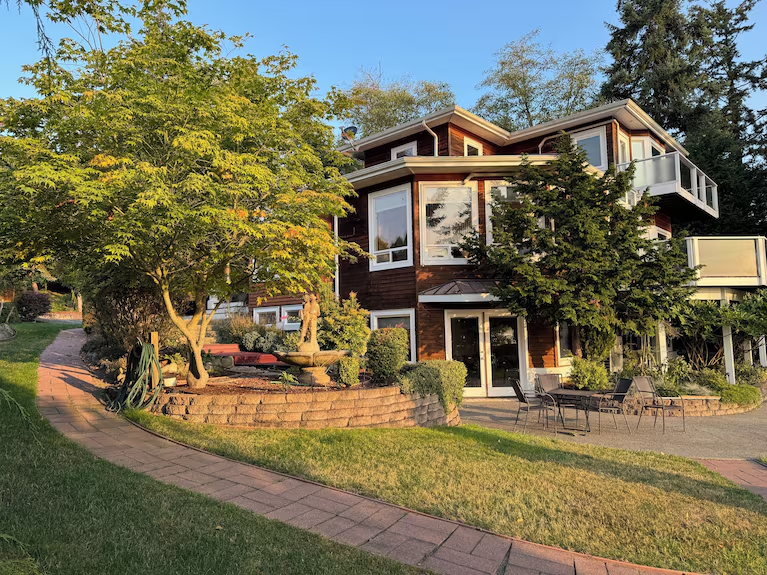
Freeland is the commercial and service hub of South Whidbey Island, with the area's main grocery store, banking, healthcare clinics, and the deepest restaurant cluster on the south end of the island. The town offers two distinct shorelines (sheltered Holmes Harbor and open Useless Bay), the only private 18-hole golf course on Whidbey at Useless Bay Country Club, and the closest ferry access on South Whidbey to the Clinton terminal. The typical home value is around $650,000.
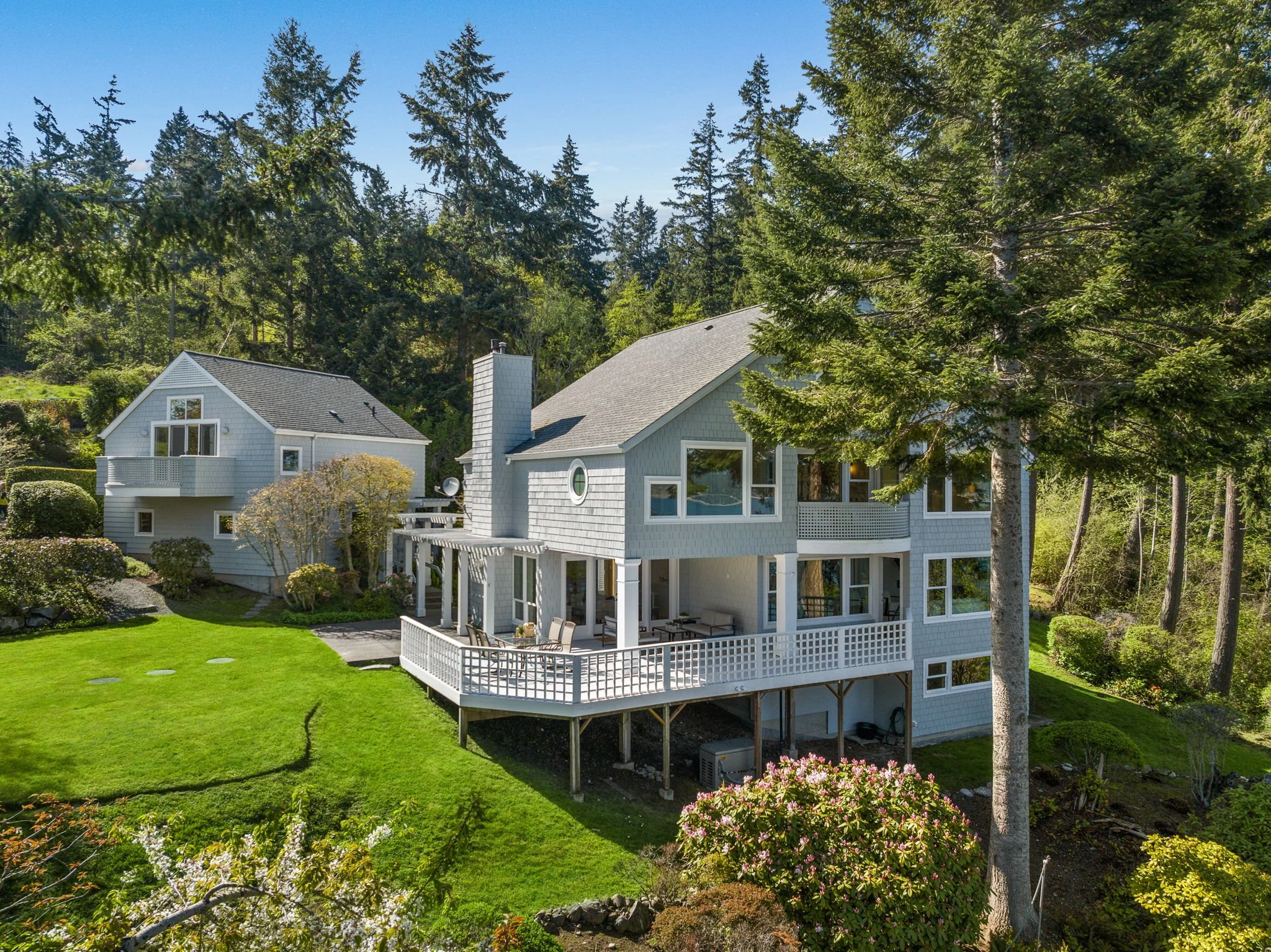
Langley is the arts and cultural heart of South Whidbey, the only incorporated city on the south end of the island, and one of the most genuinely walkable small towns in the Pacific Northwest. First Street's bluff-top village offers galleries, sophisticated dining, the historic Clyde Theatre, and bluff-top whale watching above Saratoga Passage. The typical home value is around $775,000, with Sandy Hook waterfront and bluff-top homes commanding the highest premiums on the south end.
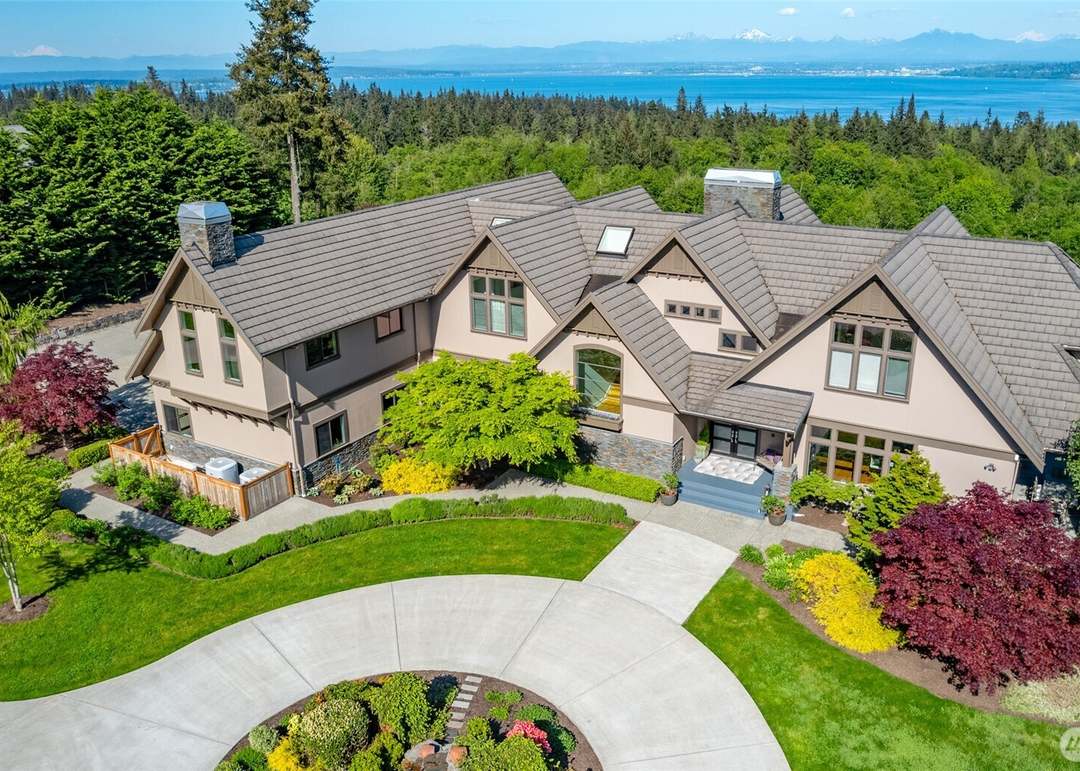
Clinton is the southernmost community on Whidbey Island and home to the Clinton ferry terminal, the front door of the Mukilteo crossing and the shortest ferry commute on the entire island. The community is more dispersed and rural in character than the village markets to the north, with sub-areas at Possession Beach, Cultus Bay, Glendale, and Deer Lake offering different waterfront and inland experiences. The typical home value is around $615,000, the most accessible South Whidbey pricing.

Whidbey Island is made up of six distinct towns, each with its own character, price range, and lifestyle. Use the summaries below to identify which town fits the way you want to live, then click through to the dedicated town page for the full local guide, sub-neighborhood breakdown, schools, dining, and FAQs.
Oak Harbor is the largest city on Whidbey Island with approximately 24,600 residents, anchored by Naval Air Station Whidbey Island and offering the most accessible price points on the island. The community combines a stable military-driven economy with two state parks (Deception Pass and Joseph Whidbey), a substantial commercial base, and a strong school district. The typical home value is around $525,000, with waterfront homes ranging from $1 million to over $2.5 million.
Coupeville is the second-oldest town in Washington State, the county seat of Island County, and the only town in the United States entirely surrounded by a national historical reserve. Historic Front Street and the Coupeville Wharf preserve a 19th-century maritime character along Penn Cove, while Ebey's Landing National Historical Reserve protects 17,572 acres of working farmland around the town. The typical home value is around $675,000, with Penn Cove waterfront and Ebey's Reserve acreage commanding significant premiums.
Greenbank is the rural heart of Whidbey Island, a small unincorporated community at the geographic narrows where the island is less than two miles wide and waterfront is available on both shorelines. Greenbank Farm, a 522-acre former loganberry farm, anchors the cultural life of the area, with art galleries, the Whidbey Pies cafe, wine tasting, and miles of public trails. The typical home value is around $725,000, with strong inventory of acreage and waterfront properties at Lagoon Point and Bush Point.
Freeland is the commercial and service hub of South Whidbey Island, with the area's main grocery store, banking, healthcare clinics, and the deepest restaurant cluster on the south end of the island. The town offers two distinct shorelines (sheltered Holmes Harbor and open Useless Bay), the only private 18-hole golf course on Whidbey at Useless Bay Country Club, and the closest ferry access on South Whidbey to the Clinton terminal. The typical home value is around $650,000.
Langley is the arts and cultural heart of South Whidbey, the only incorporated city on the south end of the island, and one of the most genuinely walkable small towns in the Pacific Northwest. First Street's bluff-top village offers galleries, sophisticated dining, the historic Clyde Theatre, and bluff-top whale watching above Saratoga Passage. The typical home value is around $775,000, with Sandy Hook waterfront and bluff-top homes commanding the highest premiums on the south end.
Clinton is the southernmost community on Whidbey Island and home to the Clinton ferry terminal, the front door of the Mukilteo crossing and the shortest ferry commute on the entire island. The community is more dispersed and rural in character than the village markets to the north, with sub-areas at Possession Beach, Cultus Bay, Glendale, and Deer Lake offering different waterfront and inland experiences. The typical home value is around $615,000, the most accessible South Whidbey pricing.
Browse the latest active listings across all six Whidbey Island towns
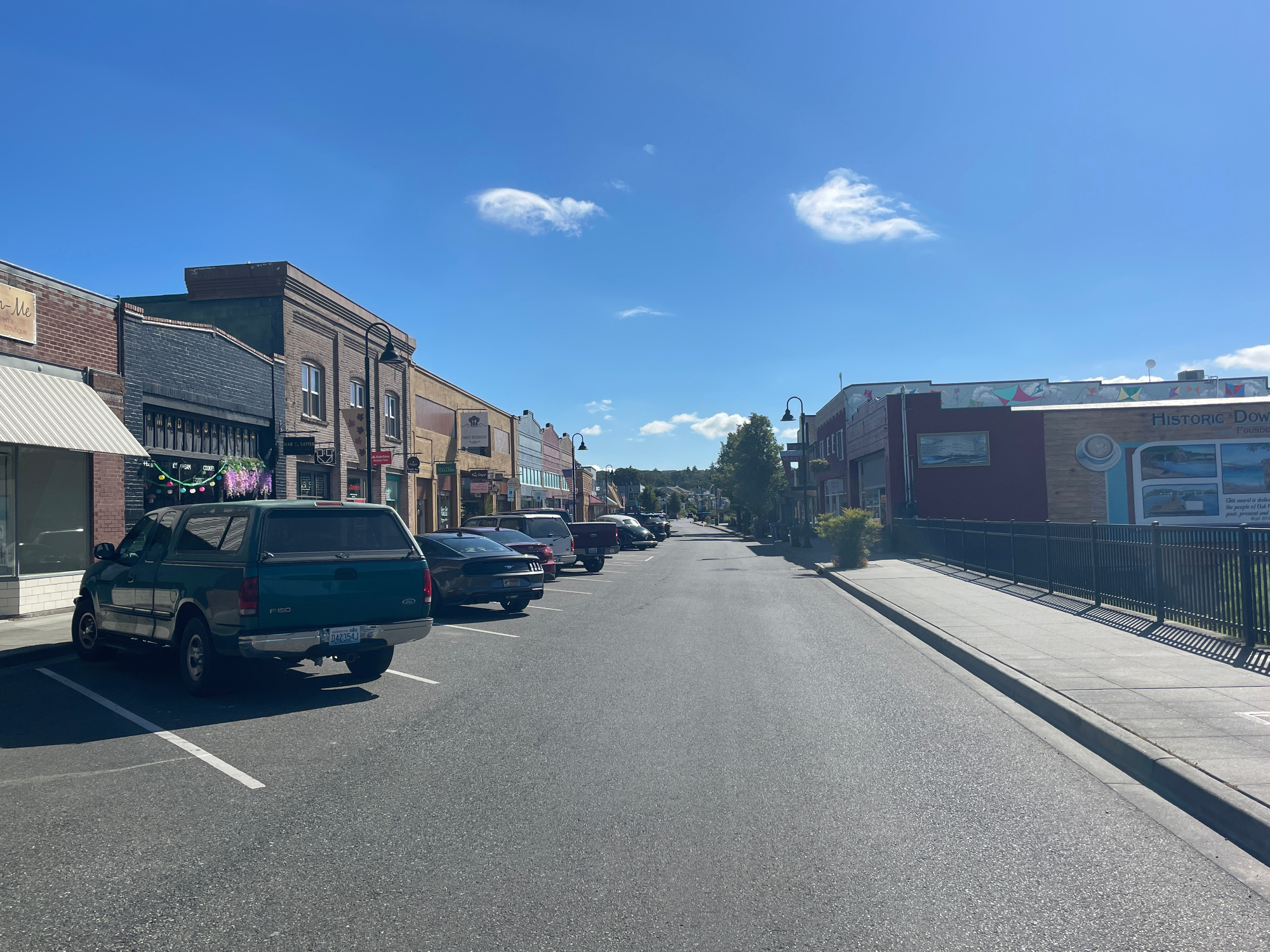
The original village of Oak Harbor surrounds SE Pioneer Way and the city marina, a walkable district that has become the cultural and dining heart of North Whidbey. Homes here include early and mid-twentieth century cottages and bungalows on modest lots, along with a growing inventory of condos and townhomes within walking distance of restaurants, breweries, the library, and Windjammer Park. Pricing in the downtown core is among the most accessible in Oak Harbor. Older single-family homes generally range from the mid $300,000s to the low $500,000s, while updated condos and townhomes near the marina start in the high $200,000s and reach the low $400,000s. For first-time buyers, downsizing retirees, or anyone who values walkability over square footage, this is one of the best values on Whidbey Island.
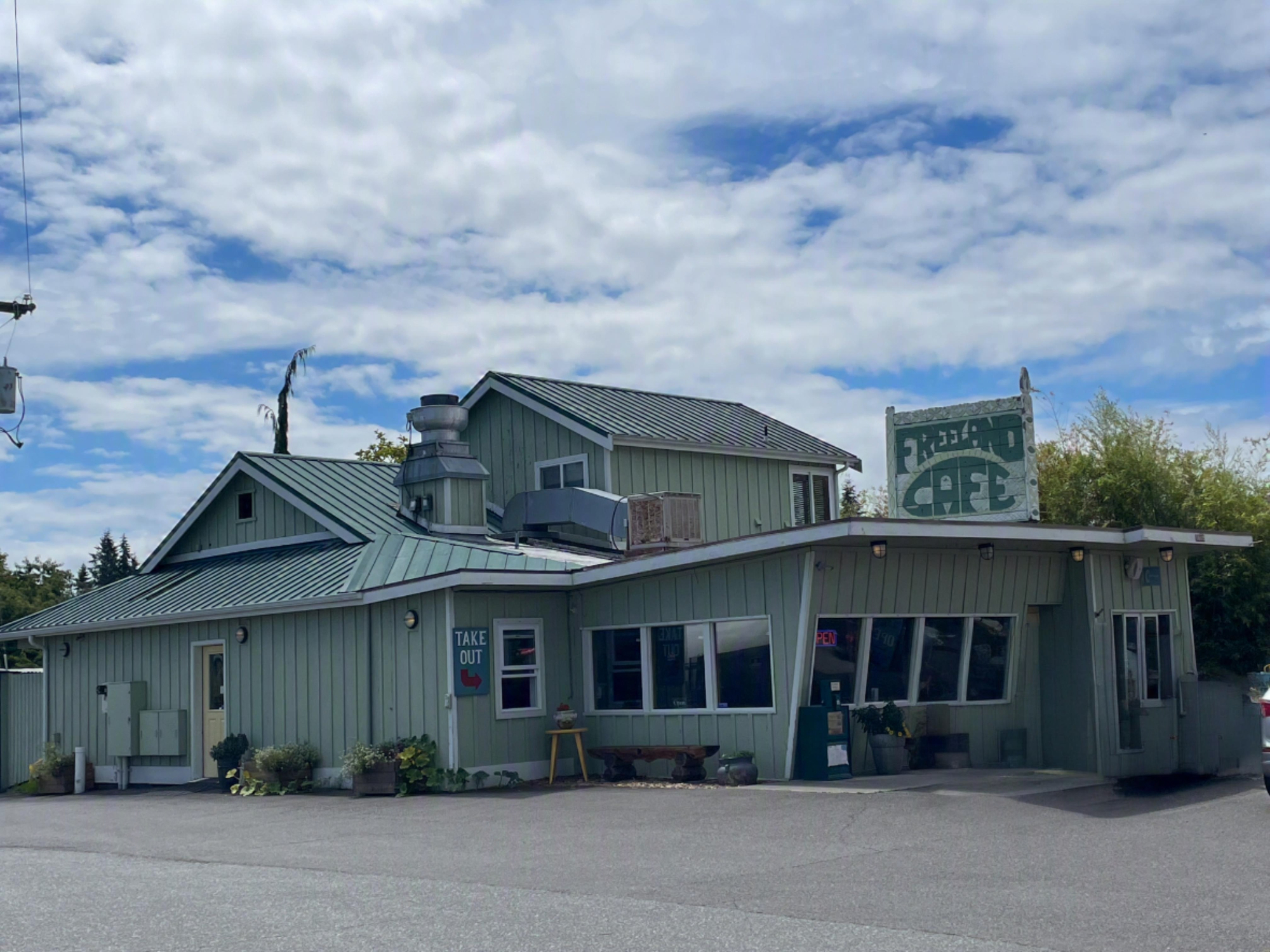
The center of Freeland surrounds Main Street and the Highway 525 commercial corridor, a walkable area with the grocery store, library, restaurants, banking, and professional services within reach of the surrounding residential streets. Homes in this area include established mid-century single-family residences, smaller cottages, condos, and a growing inventory of newer townhomes and patio homes geared toward downsizers and lock-and-leave buyers. Pricing in the downtown Freeland area generally ranges from the high $400,000s for condos and townhomes to the low $700,000s for established single-family homes. The walkability to daily services, proximity to Freeland Park on Holmes Harbor, and lower maintenance footprint make this area one of the most popular options for retirees, empty-nesters, and buyers who simply want to spend less time in the car.

The immediate area around the Clinton ferry terminal forms the closest thing to a village in Clinton, with a small commercial cluster, the ferry holding lanes, and a mix of residential streets that climb the wooded hillside above the terminal. Homes in this area include mid-century single-family residences, smaller cottages, and a handful of newer townhomes and condos. The ferry presence shapes daily life, including the rhythm of arriving and departing traffic. Pricing in the Clinton ferry village area generally ranges from the high $400,000s for smaller homes and condos to the high $600,000s for established single-family residences. Buyers who place the highest value on minimizing daily ferry commute time often choose this area specifically, and the proximity to the terminal is a meaningful advantage for households with daily mainland work, school, or medical commitments.
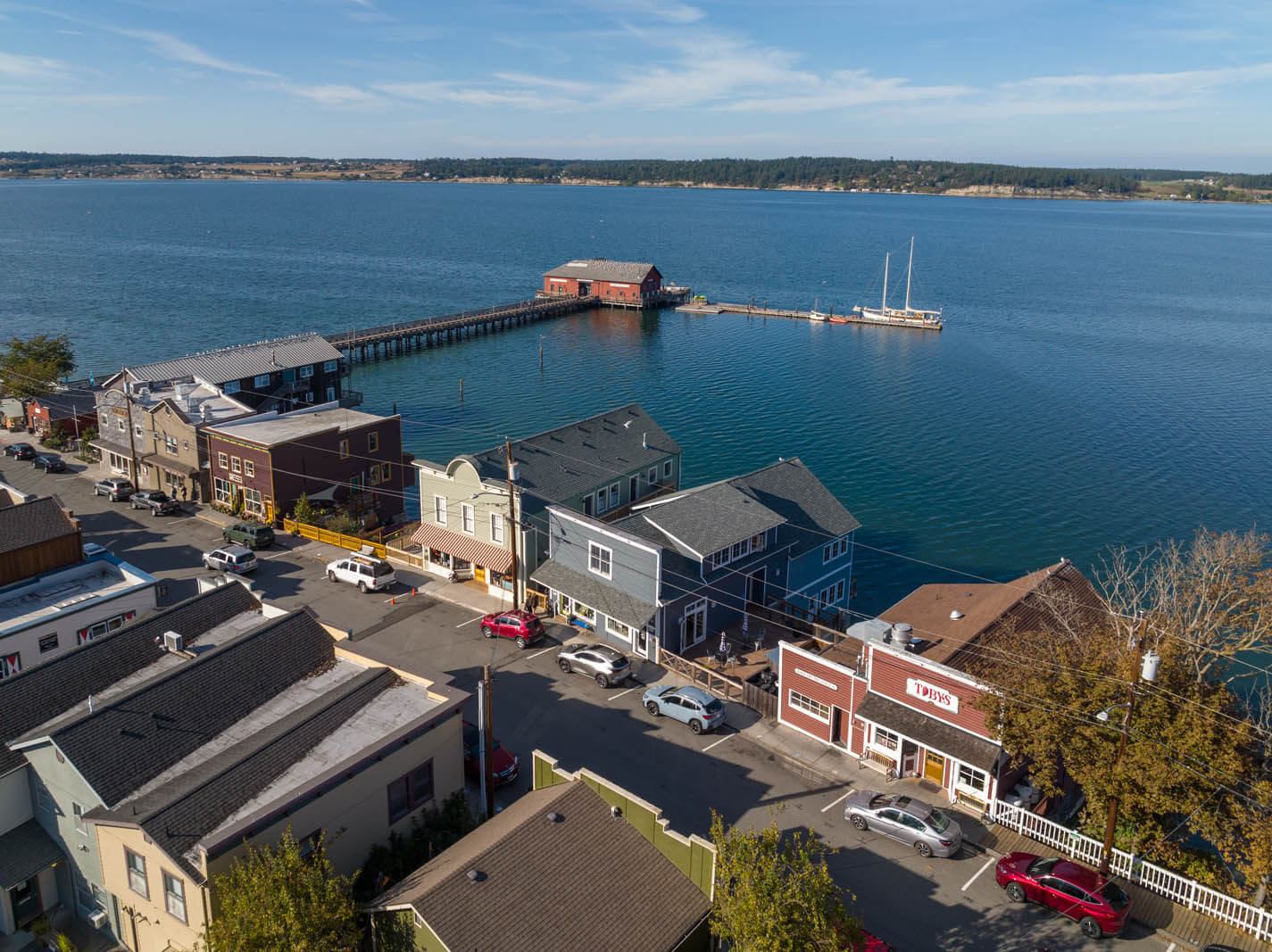
The original village of Coupeville surrounds Front Street and the Coupeville Wharf, a National Register Historic District where the streetscape, architecture, and overall character have been preserved largely as they appeared in the late 19th and early 20th centuries. Homes in and just above the historic district include restored Victorian cottages, sea captain's homes, craftsman bungalows, and mid-century cottages on small, walkable lots within steps of the waterfront, restaurants, and shops. Pricing in the historic core typically ranges from the high $400,000s to the mid $700,000s for cottages and bungalows, with larger restored historic homes reaching the high $800,000s and beyond. Buyers in this area should be aware that exterior changes may be subject to historic district guidelines, but for many owners, the chance to live in a genuinely preserved 19th-century town more than offsets that consideration.
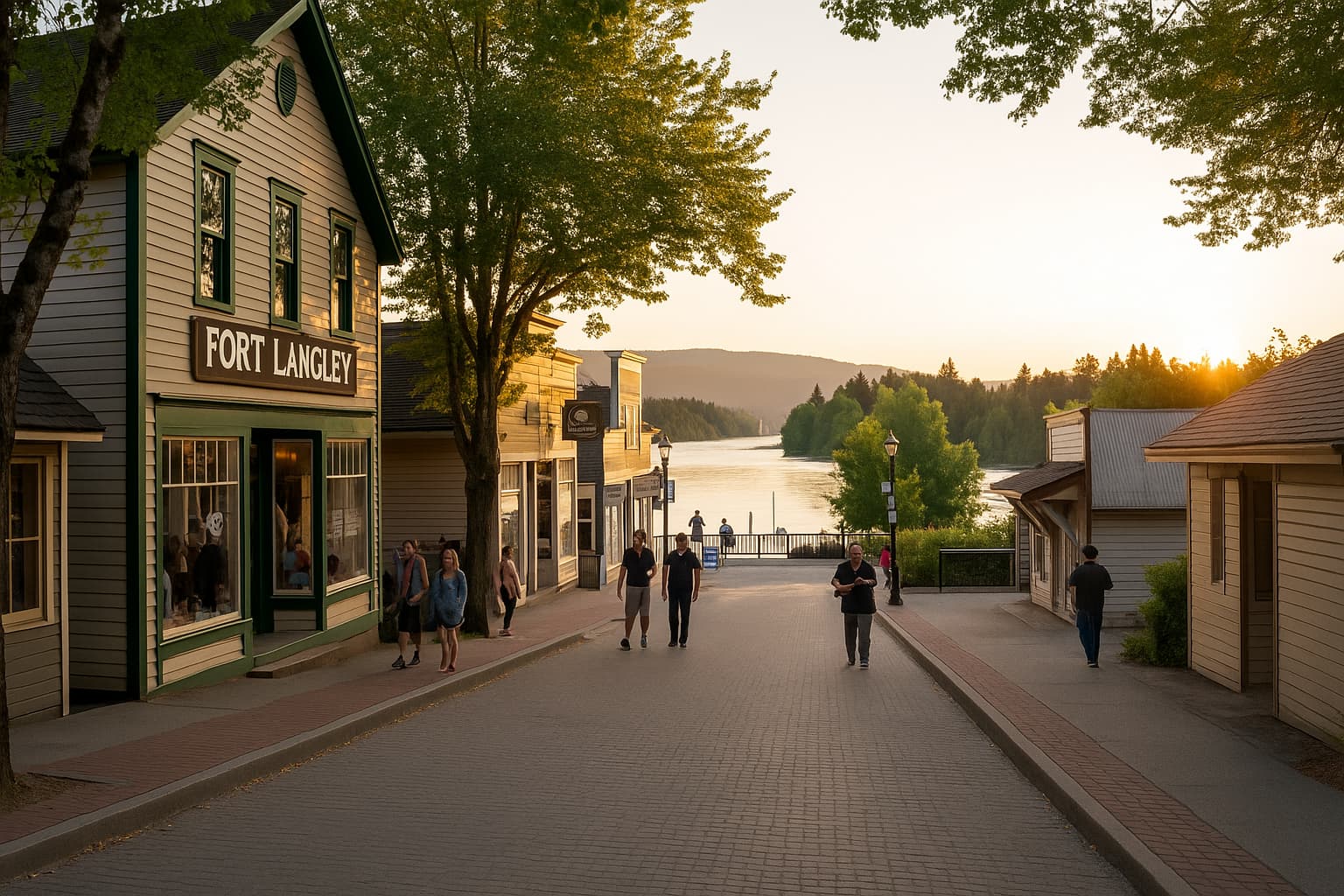
The historic core of Langley surrounds First Street and Second Street, a walkable village where the bluff-top park, galleries, restaurants, the Clyde Theatre, and the library are all within a few blocks of each other. Homes in this area include early-20th-century cottages, restored craftsman bungalows, sea captain's homes, and a small inventory of in-village condos and townhomes. Lots are generally compact, and the village character is the defining feature. Pricing in the downtown Langley village typically ranges from the high $500,000s for cottages and condos to the low $900,000s for restored historic homes with view corridors, with view properties reaching higher. The walkability is genuinely rare on Whidbey Island, and buyers who place a premium on being able to live without the car are willing to pay for the privilege. For retirees, downsizers, and arts-oriented buyers, the village core is one of the most distinctive options on the entire island.
Oak Harbor is the largest city on Whidbey Island with approximately 24,600 residents, anchored by Naval Air Station Whidbey Island and offering the most accessible price points on the island. The community combines a stable military-driven economy with two state parks (Deception Pass and Joseph Whidbey), a substantial commercial base, and a strong school district. The typical home value is around $525,000, with waterfront homes ranging from $1 million to over $2.5 million.
Whidbey Island's dining scene is unusually deep for an island of its population, with each town anchoring its own restaurant cluster. In Oak Harbor, Frasers Gourmet Hideaway has earned regional acclaim for chef-driven Pacific Northwest cuisine, while Saltwater Fish House and Oyster Bar focuses on locally caught seafood. In Coupeville, Toby's Tavern serves Penn Cove mussels in a 1890 building right on the historic waterfront, Front Street Grill offers contemporary plates with cove views, and Knead and Feed has been a beloved bakery cafe for more than 40 years. In Greenbank, the Whidbey Pies Cafe at Greenbank Farm is the headline destination, anchoring the island's central dining experience. In Freeland, Gordon's on Blueberry Hill is the area's fine-dining institution. In Langley, The Inn at Langley delivers a multi-course chef's tasting menu with a Forbes Travel Guide reputation, Prima Bistro brings classic French bistro cooking to First Street, and Cafe Langley has been a Mediterranean fixture for decades. In Clinton, Mukilteo Coffee Roasters operates its roastery and cafe drawing coffee enthusiasts from across the region. Each town's dedicated neighborhood guide covers the full local restaurant scene in depth.
Whidbey Island has developed a distinct craft beverage scene that runs the length of the island. Penn Cove Brewing Company in Coupeville, Flyers Restaurant and Brewhouse in Oak Harbor, and several South Whidbey taprooms anchor the brewing side. Whidbey Island Distillery in Langley produces award-winning blackberry liqueurs and rye whiskey served at restaurants across the island. Whidbey Island Winery's tasting room at Greenbank Farm, Spoiled Dog Winery in Greenbank, and Comforts of Whidbey south of Langley are part of a small but established island wine scene that complements the much larger Walla Walla and Yakima Valley producers showcased on Whidbey restaurant menus.
Whidbey Island's annual calendar runs nearly year-round across the six towns. Penn Cove MusselFest in Coupeville (March) celebrates the cove's signature shellfish. Holland Happening in Oak Harbor (April) honors the city's Dutch settler heritage. Welcome the Whales Day in Langley (April) marks the gray whale migration. The Whidbey Island Fair in Langley (July) is the island's largest agricultural fair. Choochokam Arts Festival in Langley (July) and the Coupeville Arts and Crafts Festival (August) draw visitors from across the Pacific Northwest. DjangoFest Northwest in Langley (September) is one of the largest gypsy jazz festivals in the world. Christmas in the Village runs across multiple towns in December.
Whidbey Island has more public natural area access per capita than nearly any community in western Washington. Deception Pass State Park at the north end is the most-visited state park in the state with more than 4,000 acres of trails, beaches, and the iconic bridge. Joseph Whidbey State Park, Fort Casey State Park, Fort Ebey State Park, and South Whidbey State Park add hundreds more acres of public access. Ebey's Landing National Historical Reserve protects 17,572 acres of farmland, prairie, and shoreline around Coupeville. Greenbank Farm, Meerkerk Rhododendron Gardens, and Double Bluff State Park near Freeland complete the public access map. Sailing, kayaking, paddleboarding, and crabbing are everyday activities along the island's 200-plus miles of coastline.
Whidbey Island is served by three independent public school districts, each covering a different geographic portion of the island. Buyers with school-age children should confirm the specific district assignment for any property of interest, particularly in Greenbank where the dividing line between Coupeville and South Whidbey districts runs through the community.


Private school options on Whidbey Island include Whidbey Island Waldorf School in Clinton (PK to 8), Oak Harbor Christian School (PK to 8), and Oak Harbor Lutheran School (PK to 8). Skagit Valley College Whidbey Island Campus in Oak Harbor offers two-year associate degrees, transfer programs, and Running Start partnerships for high school juniors and seniors. Western Washington University in Bellingham is approximately one to two hours north depending on which town a buyer lives in, and the University of Washington in Seattle is reachable via the Mukilteo to Clinton ferry. For deeper detail on the specific schools serving each town, see the dedicated neighborhood guides.

The typical home value on Whidbey Island varies significantly by town, ranging from approximately $525,000 in Oak Harbor at the north end to approximately $775,000 in Langley at the south. Coupeville sits around $675,000, Greenbank around $725,000, Freeland around $650,000, and Clinton around $615,000. Entry-level condos and townhomes start in the high $200,000s near downtown Oak Harbor. Premium waterfront homes on Penn Cove, Saratoga Passage, and Useless Bay range from $1.2 million to over $3 million depending on the specific location and property characteristics.
Whidbey Island has two reliable connections to the mainland and a third connection to the Olympic Peninsula. Deception Pass Bridge at the north end carries Highway 20 across to Fidalgo Island and Anacortes, providing year-round road access to I-5 and the broader mainland highway network. The Mukilteo to Clinton ferry at the south end runs every 30 minutes during peak hours with a 20-minute crossing into the Seattle metro. The Coupeville to Port Townsend ferry mid-island opens up the Olympic Peninsula in approximately 35 minutes by water. Buyers never depend on a single connection.
The best Whidbey Island town for families depends on which school district and lifestyle you prioritize. Oak Harbor offers the largest district (~5,500 students) with a wide range of programs and is a strong choice for active-duty military families and value-focused buyers. Coupeville offers small class sizes and a tight-knit community feel through its smaller district (~900 students). Freeland, Langley, and Clinton are all served by the South Whidbey School District (~1,400 students) with a strong arts emphasis and outdoor learning culture. Each town's dedicated neighborhood guide covers schools, family-friendly sub-areas, and price ranges in detail.
Every Whidbey Island town offers waterfront, but the character varies significantly. Oak Harbor and the north end offer Crescent Harbor and West Beach with views of the Strait of Juan de Fuca and the Olympic Mountains. Coupeville offers preserved Penn Cove waterfront and historic frontage along Front Street. Greenbank uniquely offers waterfront on both sides of the island at Lagoon Point, Bush Point, and Holmes Harbor. Freeland offers Useless Bay, Sunlight Beach, and Holmes Harbor. Langley offers Saratoga Passage bluff-top homes with whale watching. Clinton offers Possession Beach and Cultus Bay. Pricing ranges from $750,000 to over $3 million across all towns.
Yes. Whidbey Island is consistently ranked among the most desirable places to retire in the Pacific Northwest, with WhidbeyHealth Medical Center in Coupeville providing the only full-service hospital on the island, six distinct town options across a wide price range, low crime rates, an active arts and cultural scene, and reliable mainland connectivity for visiting family or maintaining medical specialist relationships. Coupeville and Langley are particularly popular among retirees for their walkable village character. Oak Harbor offers the most affordable price points and proximity to base medical and commissary services for veterans. Greenbank and Freeland appeal to retirees seeking acreage and rural privacy.
Whidbey Island offers a distinctive combination that mainland Puget Sound markets cannot match: true saltwater island living with two reliable mainland connections, six distinct towns within one connected community, three school districts, lower median pricing than King County and most of Snohomish County, and significant natural protections including Ebey's Landing National Historical Reserve, Deception Pass State Park, and four additional state parks. The trade-off is greater geographic distance from the Seattle metro core, particularly for South Whidbey buyers who depend on the Mukilteo to Clinton ferry. For buyers comparing Whidbey Island to Bainbridge Island, Mercer Island, or Vashon Island, Whidbey offers more variety, more inventory, and generally more accessible pricing.
Don Jaques has lived on Whidbey Island for more than 20 years, has closed over 150 transactions across all six towns from Oak Harbor to Clinton, and runs his real estate practice from an office located right on Front Street in the heart of historic Coupeville. He specializes in residential, waterfront, and retirement properties and is known for his integrity, clear communication, and willingness to go the extra mile for clients. Whidbey Island rewards a real estate agent who understands the differences between every town, every sub-neighborhood, and every waterfront type, along with the practical logistics of ferry commuting, the school district lines, and the regional building patterns. Don brings exactly that kind of island-wide expertise.
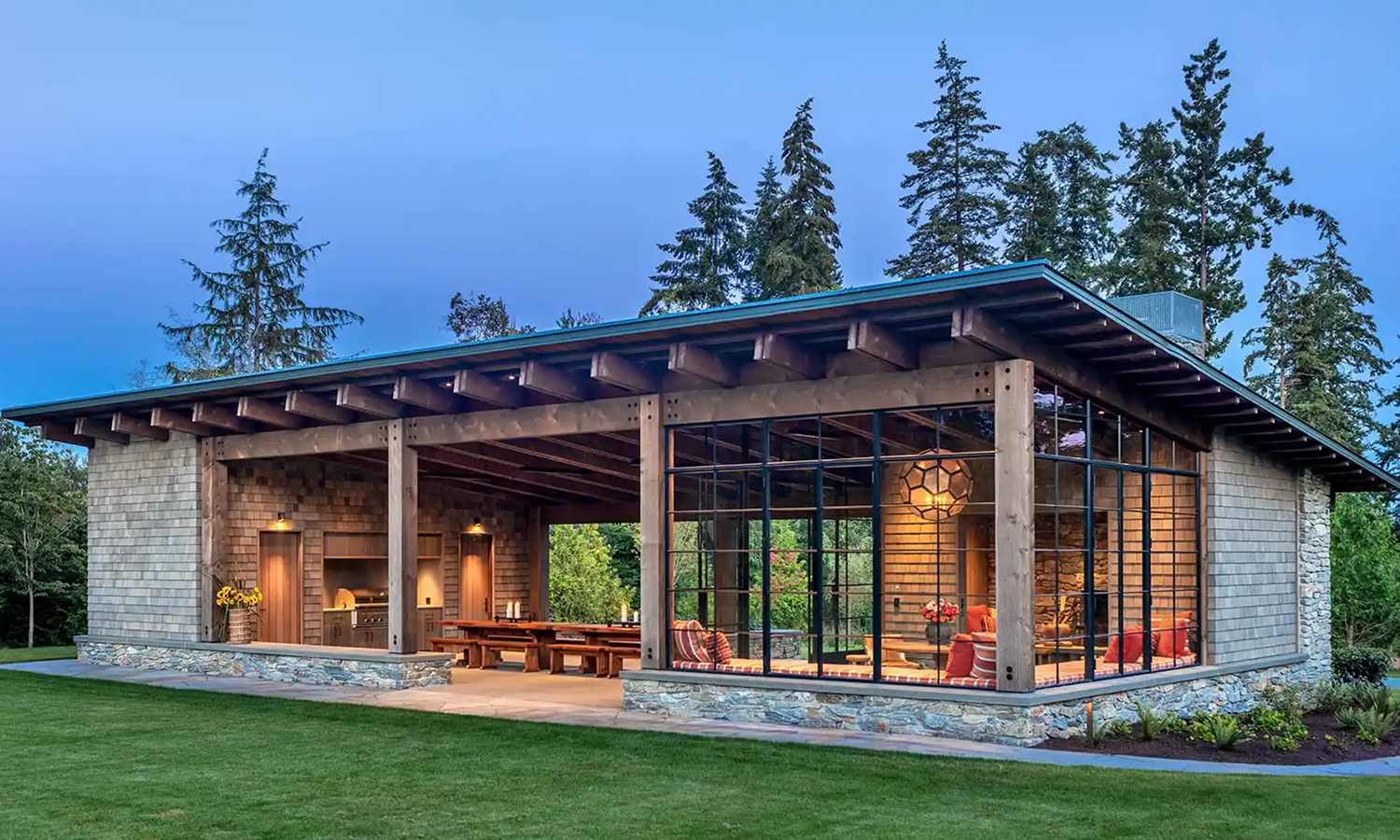
Whidbey Island offers something rare in the Pacific Northwest: six distinct towns across the longest island in Washington State, two reliable connections to the mainland, three school districts, and a real estate market that gives buyers genuine choice across waterfront, historic, rural, village, golf community, and ferry-friendly options. From Oak Harbor at the north end to Clinton at the south, Don Jaques can help you navigate the entire Whidbey Island market with the confidence that comes from over 20 years of local experience and more than 150 closed transactions across every town on the island. Contact Don today to begin your Whidbey Island home search.


